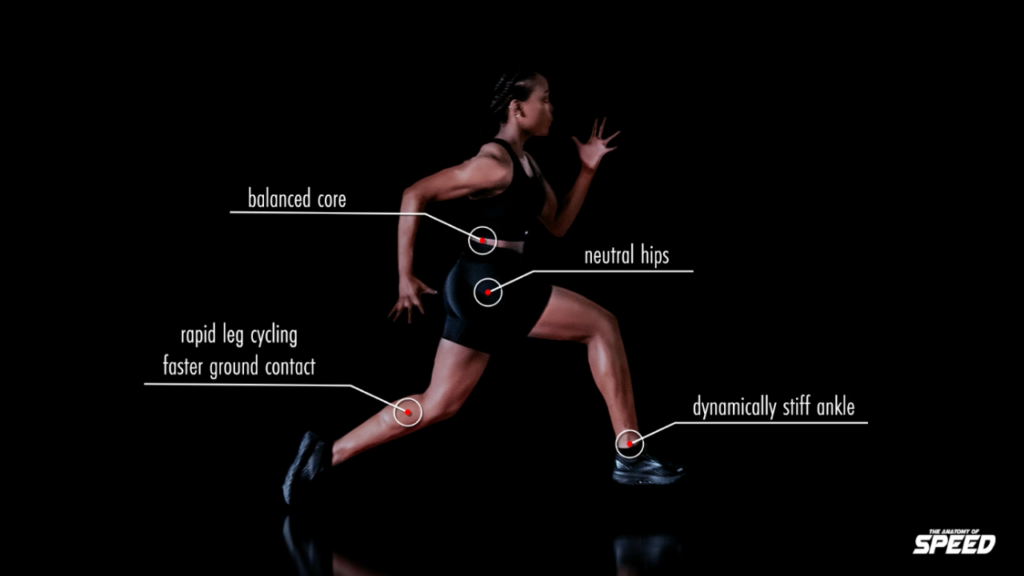
Embarking on a fitness journey can be both an exciting and daunting experience. With an abundance of information available, it is easy to feel overwhelmed. Understanding the foundational principles of exercise science can provide clarity and guidance, helping you to set realistic goals and achieve them efficiently. This article aims to unlock the essential basics of exercise science for beginners, providing a solid foundation for a lifetime of healthy living.
### Understanding Exercise Science
Exercise science is the study of how physical activity impacts the human body. It encompasses a variety of disciplines, including physiology, biomechanics, psychology, and nutrition, each contributing to a holistic understanding of how exercise affects health and performance. By comprehending these principles, individuals can tailor their fitness routines to meet their personal goals, whether they aim to improve health, enhance performance, or simply enjoy the benefits of an active lifestyle.
### The Components of Physical Fitness
Physical fitness is a multifaceted concept that includes several key components:
1. **Cardiovascular Endurance**: This is the ability of the heart, lungs, and circulatory system to supply oxygen and nutrients to working muscles during sustained physical activity. Activities like running, cycling, and swimming can enhance cardiovascular endurance, reducing the risk of chronic diseases such as heart disease and diabetes.
2. **Muscular Strength**: This refers to the amount of force a muscle or muscle group can exert against resistance. Strength training exercises, such as weightlifting or bodyweight exercises like push-ups, help build muscular strength, which is crucial for daily activities and maintaining a healthy metabolism.
3. **Muscular Endurance**: This is the ability of a muscle or group of muscles to sustain repeated contractions against resistance for an extended period. Activities like circuit training or long-distance running can improve muscular endurance, allowing you to perform tasks for longer without fatigue.
4. **Flexibility**: Flexibility is the range of motion available at a joint. Stretching exercises such as yoga or Pilates can improve flexibility, reducing the risk of injuries and enhancing overall performance.
5. **Body Composition**: This refers to the proportion of fat and non-fat mass in the body. A healthy body composition is often associated with lower risks of chronic diseases and improved physical function.
### Principles of Exercise Training
To effectively improve these components of fitness, certain principles of exercise training must be applied:
#### Specificity
The principle of specificity states that training should be relevant and appropriate to the sport or activity for which an individual is preparing. For example, a sprinter should focus on speed and power, while a marathon runner should prioritize endurance training. By aligning your training with your specific goals, you can achieve more effective and efficient results.
#### Overload
The principle of overload involves gradually increasing the intensity, duration, or frequency of exercise to challenge the body and stimulate improvements. This can be achieved by adding more weight, increasing repetitions, or extending training sessions. Overloading the body in a controlled manner encourages adaptation and growth.
#### Progression
The principle of progression builds on overload by systematically increasing the demands on the body over time. This ensures continuous improvement and helps prevent plateaus. However, progression should be gradual to avoid injury and allow the body adequate time to adapt.
#### Reversibility
The principle of reversibility highlights that fitness gains are not permanent and can be lost if training ceases. Known colloquially as “use it or lose it,” this principle emphasizes the importance of consistency in maintaining fitness levels.
#### Individuality
The principle of individuality recognizes that each person responds differently to training based on factors such as genetics, age, and fitness level. Therefore, exercise programs should be tailored to meet individual needs and capabilities.
### Designing a Beginner’s Exercise Program
Creating a well-rounded exercise program involves balancing various types of workouts to address all components of fitness. Here’s a basic framework for beginners:
#### Cardiovascular Training
Start with 20-30 minutes of moderate-intensity aerobic exercise, such as brisk walking, cycling, or swimming, three to five times a week. Gradually increase the duration and intensity as your endurance improves.
#### Strength Training
Incorporate strength training exercises at least two days a week. Focus on major muscle groups, performing 1-2 sets of 8-12 repetitions. As you become more comfortable and proficient, gradually increase the resistance and complexity of exercises.
#### Flexibility and Stretching
Incorporate stretching exercises at the end of each workout session, focusing on major muscle groups. Hold each stretch for 15-30 seconds, repeating 2-3 times. Engaging in activities like yoga or Pilates once or twice a week can also enhance flexibility and core strength.
#### Rest and Recovery
Rest is a crucial component of any fitness regimen, allowing the body to repair and strengthen itself. Ensure you have at least one or two rest days each week to prevent overtraining and reduce the risk of injury.
### The Role of Nutrition in Exercise
Nutrition plays a vital role in supporting your fitness goals. A balanced diet provides the energy required for workouts and the nutrients needed for recovery and growth. Key elements include:
– **Carbohydrates**: The primary energy source for exercise. Focus on complex carbohydrates such as whole grains, fruits, and vegetables for sustained energy levels.
– **Proteins**: Essential for muscle repair and growth. Incorporate lean protein sources like chicken, fish, legumes, and tofu into your meals.
– **Fats**: Necessary for hormone production and overall health. Opt for healthy fats from sources like avocados, nuts, seeds, and olive oil.
– **Hydration**: Adequate hydration is crucial for optimal performance and recovery. Aim to drink plenty of water throughout the day, increasing intake during and after exercise.
### The Psychological Aspect of Exercise
Exercise not only benefits physical health but also has profound effects on mental well-being. Regular physical activity can reduce symptoms of anxiety and depression, improve mood, and boost overall quality of life. Setting realistic goals, tracking progress, and celebrating achievements can enhance motivation and adherence to an exercise program.
### Overcoming Common Barriers
While the benefits of exercise are well-documented, many beginners face challenges in starting or maintaining a routine. Common barriers include:
– **Lack of Time**: Prioritize your schedule by identifying available time slots for exercise. Even short bouts of activity can be beneficial.
– **Motivation**: Set specific, achievable goals and track your progress to maintain motivation. Finding a workout buddy or joining a group class can also provide accountability and support.
– **Access to Facilities**: Utilize home workouts or outdoor activities if access to a gym is limited. Bodyweight exercises, resistance bands, and online resources can provide a comprehensive workout experience.
– **Injury Concerns**: Start slowly and focus on proper form to minimize the risk of injury. Consult a fitness professional if you have any pre-existing conditions or concerns.
### Conclusion
Understanding the basics of exercise science empowers beginners to embark on a fitness journey with confidence and clarity. By applying the principles of training, balancing different components of fitness, and addressing nutritional and psychological aspects, individuals can achieve their health and fitness goals. Remember that consistency and patience are key; progress takes time, but the rewards are well worth the effort. Embrace the journey of unlocking exercise science and enjoy the lifelong benefits of an active lifestyle.