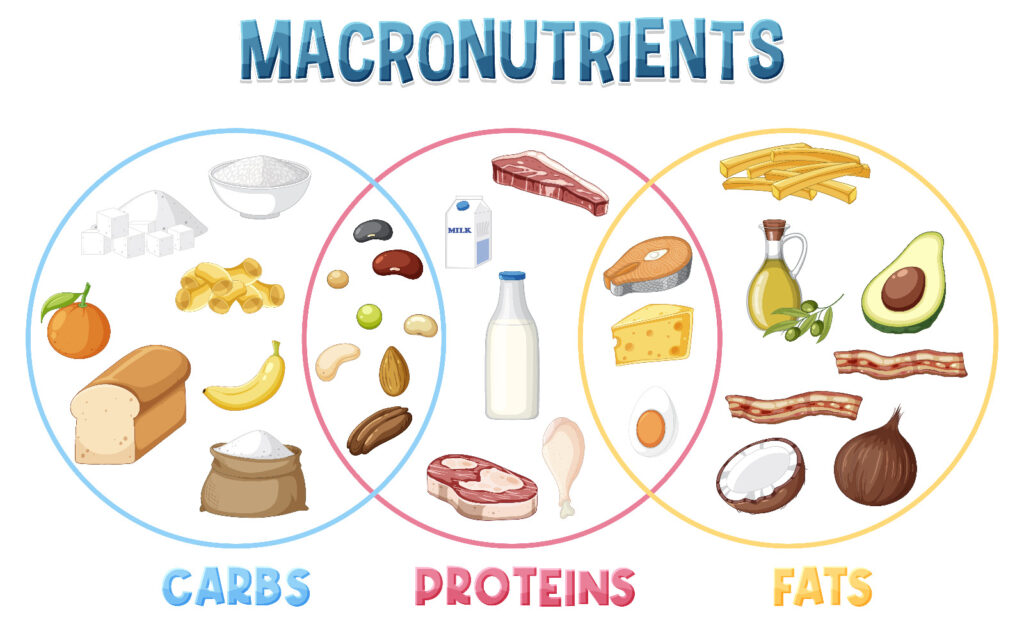
In the pursuit of optimal health, understanding the role of macronutrients is crucial. Macronutrients, comprising carbohydrates, proteins, and fats, are the cornerstone of our diet. They provide the energy necessary for daily activities, support bodily functions, and play a significant role in maintaining overall well-being. This article delves into the intricacies of macronutrients, exploring their functions, sources, and the importance of balancing them for a healthier lifestyle.
What Are Macronutrients?
Macronutrients are nutrients required by the body in large amounts to sustain life and ensure proper physiological functions. Unlike micronutrients, such as vitamins and minerals needed in smaller quantities, macronutrients are the primary sources of energy and structural materials for the body. The three main types of macronutrients are:
- Carbohydrates
- Proteins
- Fats
Carbohydrates: The Body’s Primary Energy Source
Carbohydrates are the body’s preferred source of energy. They are broken down into glucose, which fuels our cells, tissues, and organs. Carbohydrates are particularly important for brain function, as the brain relies heavily on glucose for energy.
Types of Carbohydrates
Carbohydrates are categorized into two main types: simple carbohydrates and complex carbohydrates.
- Simple Carbohydrates: These are sugars found naturally in fruits, milk, and other foods. They are also added to many processed foods. Simple carbohydrates are quickly absorbed by the body, providing a rapid source of energy.
- Complex Carbohydrates: Found in whole grains, legumes, and vegetables, these carbohydrates consist of longer chains of sugar molecules. They are digested more slowly, providing a more sustained energy release.
Benefits of Carbohydrates
Consuming adequate carbohydrates is essential for optimal health as they provide energy, support metabolism, and help preserve muscle mass. Whole grains, fruits, and vegetables also provide fiber, which aids in digestion, helps maintain steady blood sugar levels, and promotes heart health.
Proteins: Building Blocks of the Body
Proteins are vital macronutrients that serve as the building blocks for tissues, muscles, enzymes, and hormones. They are composed of amino acids, which are essential for growth, repair, and maintenance of body tissues.
Types of Proteins
Proteins are categorized based on the amino acids they contain:
- Complete Proteins: These contain all nine essential amino acids required by the body. Animal-based foods such as meat, poultry, fish, eggs, and dairy products are considered complete protein sources.
- Incomplete Proteins: These lack one or more essential amino acids. Plant-based foods such as beans, lentils, nuts, and grains are typically incomplete proteins. However, consuming a variety of these foods can provide all essential amino acids.
Benefits of Proteins
Proteins play a crucial role in muscle synthesis, immune function, and the production of enzymes and hormones. Adequate protein intake is essential for recovery and repair, especially for individuals who engage in regular physical activity. Moreover, protein-rich foods help promote satiety, making them beneficial for weight management.
Fats: Essential for Energy and Cell Function
Fats are a concentrated source of energy and are essential for the absorption of fat-soluble vitamins (A, D, E, and K). They play a vital role in maintaining healthy skin, insulating body organs, and supporting cell growth and function.
Types of Fats
Fats are classified into several types based on their chemical structure:
- Saturated Fats: Found in animal products such as meat, butter, and cheese, and some plant oils. Consuming excessive saturated fats can raise cholesterol levels and increase the risk of heart disease.
- Unsaturated Fats: These include monounsaturated and polyunsaturated fats, found in avocados, nuts, seeds, and fish. They are beneficial for heart health when consumed in moderation.
- Trans Fats: Artificially created through hydrogenation, found in some processed foods. They are harmful to heart health and should be avoided as much as possible.
Benefits of Fats
Healthy fats are essential for brain health, hormone production, and reducing inflammation. Omega-3 fatty acids, a type of polyunsaturated fat found in fish and flaxseeds, are particularly beneficial for cardiovascular health. Including a variety of healthy fats in the diet can promote overall well-being.
Balancing Macronutrients for Optimal Health
Achieving a balance of macronutrients tailored to individual needs is crucial for optimal health. The recommended macronutrient distribution ranges (AMDR) suggest that:
- 45-65% of total daily calories should come from carbohydrates.
- 10-35% from protein.
- 20-35% from fats.
Factors Influencing Macronutrient Needs
Several factors influence individual macronutrient requirements, including age, gender, activity level, and health goals. Athletes may require higher protein intake to support muscle repair and growth, while individuals focusing on weight loss might benefit from reducing carbohydrate intake and increasing protein consumption.
Importance of Quality over Quantity
While balancing macronutrients is essential, the quality of the sources is equally important. Opt for whole, minimally processed foods to ensure adequate nutrient intake. Choose whole grains, lean proteins, and healthy fats to promote overall health and prevent chronic diseases.
Conclusion
Understanding macronutrients and their role in the body is fundamental for achieving optimal health. By recognizing the functions and sources of carbohydrates, proteins, and fats, individuals can make informed dietary choices that support their health goals. Balancing macronutrients, considering individual needs, and prioritizing quality sources can lead to improved energy levels, enhanced physical performance, and overall well-being. As with any nutritional strategy, it’s advisable to consult with a healthcare or nutrition professional to tailor dietary choices to meet specific health needs and lifestyle preferences.