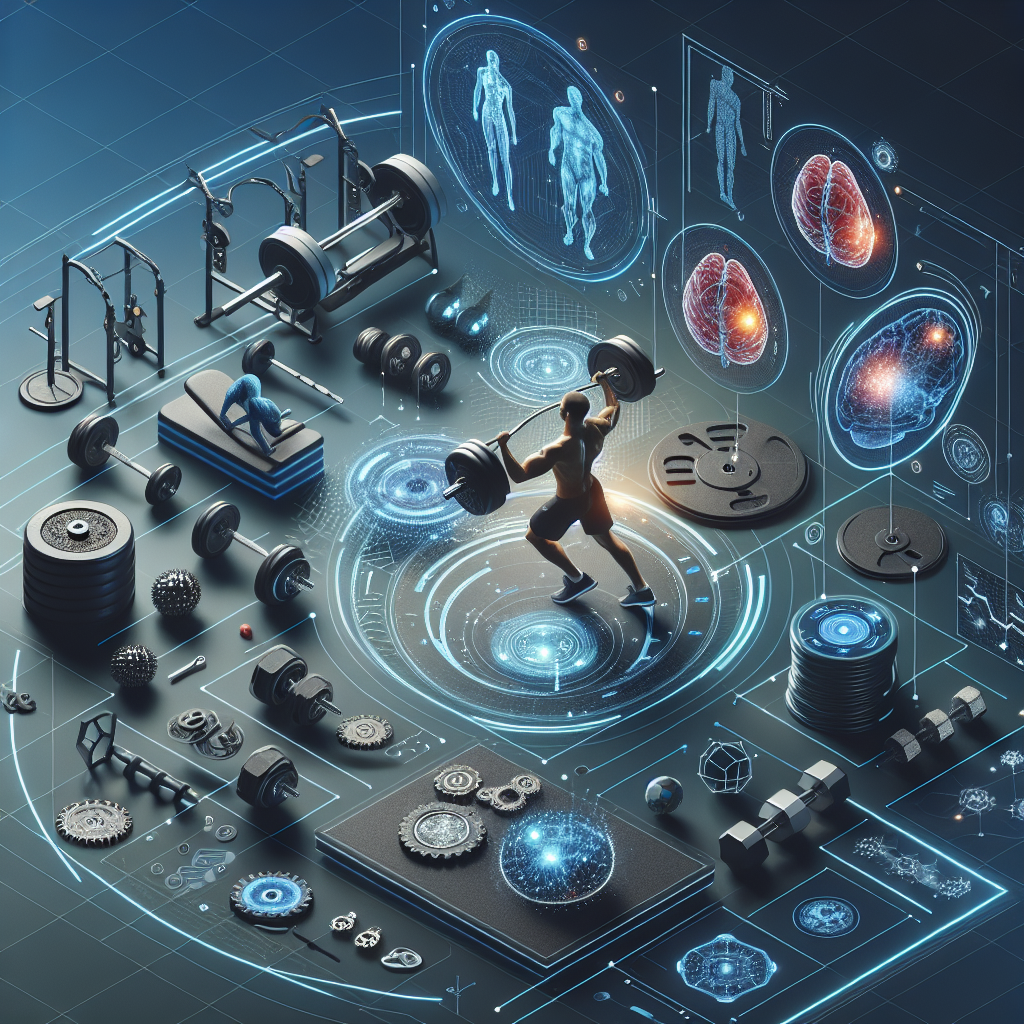
The pursuit of strength is a foundational element of fitness that transcends age, gender, and athletic ability. Whether you’re an elite athlete, a weekend warrior, or someone just starting their fitness journey, understanding the science behind effective training is crucial. This article delves into the physiological principles and scientific strategies that propel strength gains, helping you maximize your workouts and achieve your fitness goals.
The Physiology of Strength
Strength is primarily a product of the neuromuscular system, which involves the coordination of the nervous system and muscular system. When we talk about increasing strength, it is essential to understand the role of muscle fibers, motor units, and the central nervous system (CNS).
Muscle Fibers
Muscle fibers are classified into two main types: Type I (slow-twitch) and Type II (fast-twitch). Type I fibers are more fatigue-resistant and are used in endurance activities, while Type II fibers are more powerful and are utilized during short, explosive movements. Effective strength training targets these Type II fibers to promote hypertrophy and strength gains.
Motor Units and Neural Adaptations
A motor unit consists of a motor neuron and the muscle fibers it innervates. Strength training enhances the recruitment of motor units, leading to increased force production. Initially, strength gains are primarily due to neural adaptations, such as improved motor unit synchronization and increased firing rates, rather than muscle hypertrophy.
The Role of the Central Nervous System
The CNS plays a pivotal role in strength training by coordinating muscle contractions and regulating the intensity of effort. Training can enhance the efficiency of CNS signaling, allowing for more effective recruitment of muscle fibers and improved strength output.
Principles of Effective Strength Training
Effective strength training is not just about lifting heavy weights; it involves a strategic approach grounded in scientific principles. Here are some key principles to consider:
Progressive Overload
Progressive overload is the cornerstone of strength training. It involves gradually increasing the resistance or intensity of exercises to challenge the musculoskeletal system continually. This principle ensures that muscles adapt and grow stronger over time.
Specificity
The principle of specificity states that training should be relevant and appropriate to the sport or activity one is training for. This means that to increase strength, one must perform exercises that specifically target the muscles and movements involved in their particular sport or activity.
Variation
Incorporating variation in training programs prevents plateaus and reduces the risk of overuse injuries. Changing exercise selection, intensity, volume, and rest intervals can help stimulate new adaptations and maintain motivation.
Recovery
Recovery is a critical aspect of strength training. Muscles need time to repair and grow stronger after being stressed during workouts. Adequate rest, sleep, and nutrition play crucial roles in the recovery process, ensuring sustained progress and preventing burnout.
Programming for Strength
Effective strength training programming involves a balance of exercises, intensity, volume, and frequency. Here’s a closer look at how to structure a strength training program:
Exercise Selection
Compound exercises, such as squats, deadlifts, bench presses, and overhead presses, are fundamental to building strength. These movements engage multiple muscle groups and joints, leading to greater overall strength gains. Isolation exercises can also be included to target specific muscles and address weaknesses.
Intensity and Volume
Intensity refers to the load or resistance used during exercises, typically expressed as a percentage of one-repetition maximum (1RM). Volume is the total number of sets and repetitions performed. Effective strength training often involves moderate to high intensity with low to moderate volume. A common approach is to perform 3-5 sets of 3-6 repetitions with 70-85% of 1RM.
Frequency
Training frequency refers to how often you work out each muscle group. For strength gains, a frequency of 2-3 times per week per muscle group is generally effective. This allows for sufficient stimulus while also providing ample recovery time.
The Science of Muscle Growth
Muscle growth, or hypertrophy, is a key component of strength development. It involves an increase in the size of muscle fibers, primarily Type II fibers.
Mechanical Tension
Mechanical tension is created when muscles contract against resistance. This tension is a primary driver of hypertrophy, as it stimulates muscle protein synthesis and the growth of muscle fibers.
Metabolic Stress
Metabolic stress occurs when muscles experience fatigue and a build-up of metabolites, such as lactate. This stress can lead to cellular changes that promote muscle growth, including the release of growth factors and increased muscle fiber recruitment.
Muscle Damage
Muscle damage occurs during intense resistance training, leading to micro-tears in muscle fibers. The repair process results in stronger, larger muscle fibers. However, excessive muscle damage can hinder recovery and should be balanced with adequate rest and nutrition.
Nutrition and Supplementation
Nutrition plays a pivotal role in strength training, supporting energy needs, muscle repair, and growth.
Protein
Protein is essential for muscle repair and hypertrophy. Consuming an adequate amount of high-quality protein, distributed evenly throughout the day, is crucial for maximizing strength gains. A common recommendation is to consume 1.6-2.2 grams of protein per kilogram of body weight.
Carbohydrates
Carbohydrates are the primary energy source during high-intensity training. Consuming sufficient carbohydrates ensures adequate glycogen stores, supporting performance and recovery.
Fats
Fats are important for hormone production and overall health. Including healthy fats in your diet supports optimal hormonal balance, which is crucial for muscle growth and strength.
Supplementation
While whole foods should be the primary focus, certain supplements can support strength training goals. Creatine, for example, has been shown to enhance strength and muscle mass. Additionally, branched-chain amino acids (BCAAs) can help reduce muscle soreness and support recovery.
Conclusion
Unlocking strength through effective training requires a comprehensive understanding of the science behind it. By focusing on the principles of progressive overload, specificity, variation, and recovery, and incorporating sound nutrition and programming strategies, you can achieve significant strength gains. Remember that patience and consistency are key; strength development is a gradual process that rewards diligence and dedication. Embrace the journey, and enjoy the transformative power of strength training.