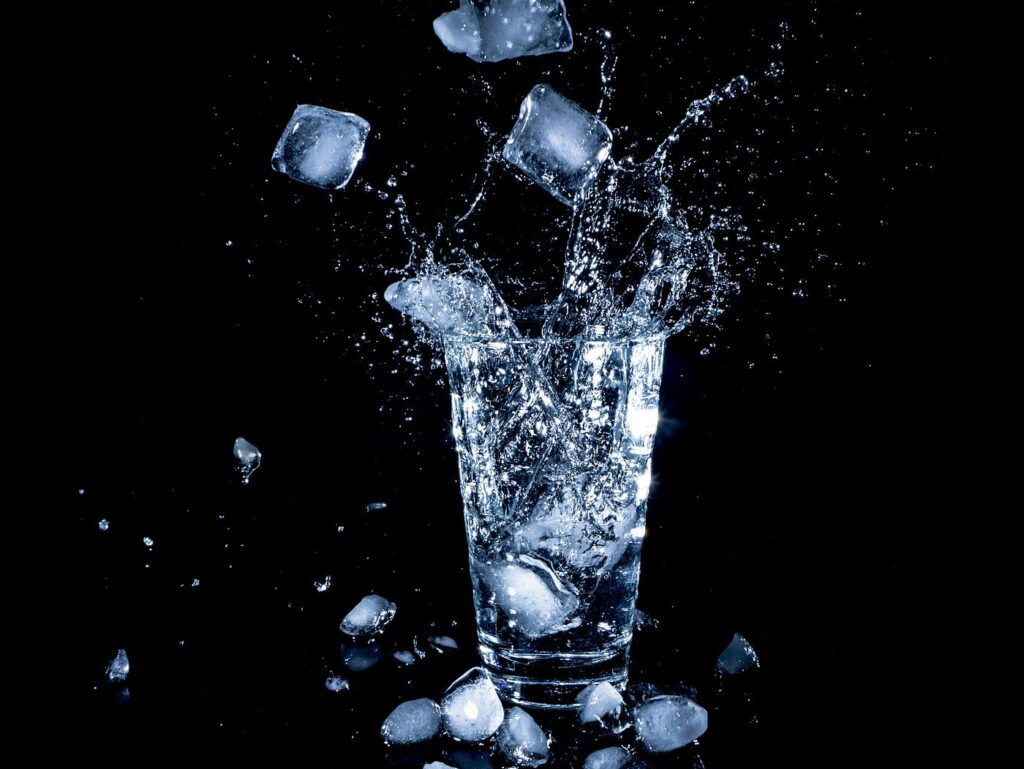
Hydration is a crucial yet often overlooked component of optimizing workout performance. Whether you’re a seasoned athlete or a fitness enthusiast, mastering the art of hydration can significantly impact your training efficiency, recovery, and overall health. This comprehensive guide aims to delve into the science of hydration, its role in exercise, and practical strategies to ensure you’re adequately hydrated before, during, and after your workouts.
The Science of Hydration
Water is the most vital nutrient in the human body, accounting for about 60% of an adult’s body weight. It plays an essential role in various bodily functions, including temperature regulation, joint lubrication, and the transportation of nutrients and waste. During physical activity, the body loses water primarily through sweat, which can lead to dehydration if not properly managed.
Understanding Dehydration
Dehydration occurs when the body loses more fluids than it takes in, leading to a deficiency that can impair numerous physiological processes. Common symptoms include thirst, fatigue, dizziness, and reduced exercise performance. Severe dehydration can cause more serious issues such as heat exhaustion or heat stroke, particularly in hot and humid conditions.
The Impact of Dehydration on Performance
Even mild dehydration, as little as a 1-2% loss of body weight, can negatively impact physical performance. It can lead to decreased endurance, increased fatigue, altered thermoregulation, reduced strength, and impaired cognitive function. Understanding and preventing dehydration is essential for anyone looking to optimize their workout performance.
Pre-Workout Hydration
Proper hydration begins well before you step into the gym or onto the field. Ensuring that you’re adequately hydrated before exercise can enhance your performance and reduce the risk of dehydration during your workout.
Establish a Hydration Baseline
The first step is to establish a baseline level of hydration. This means drinking sufficient fluids throughout the day, not just right before exercise. A good indicator of proper hydration is clear or light-colored urine. Aim to consume about half your body weight in ounces of water daily as a general guideline, adjusting for individual needs and environmental factors.
Pre-Workout Hydration Strategy
About 2-3 hours before exercise, aim to drink 17-20 ounces of water or a sports drink. This allows your body to achieve a state of hyperhydration, enhancing your body’s ability to manage fluid loss during exercise. Additionally, consuming about 8 ounces of water 20-30 minutes before starting can further ensure that you’re well-hydrated.
Hydration During Exercise
During exercise, maintaining fluid balance is crucial to sustaining performance and preventing dehydration. The amount of fluid you need will depend on the intensity and duration of the workout, as well as the environmental conditions.
Monitor Sweat Loss
Understanding your sweat rate is key to tailoring your hydration strategy during exercise. Weighing yourself before and after exercise can help determine how much fluid you lose. For every pound lost during exercise, aim to drink about 16-24 ounces of fluid to compensate for sweat loss.
Electrolytes and Sports Drinks
In addition to water, replenishing electrolytes such as sodium, potassium, and magnesium is important, especially during prolonged or intense workouts. Sports drinks can be beneficial as they provide not only fluids but also the necessary electrolytes and carbohydrates to help maintain energy levels and prevent cramping.
Post-Workout Hydration
Rehydration after exercise is essential for recovery, helping to restore fluid balance, replenish electrolytes, and repair muscles. The goal is to replace any fluid lost during your workout.
Rehydration Strategies
Post-workout, aim to drink about 16-24 ounces of fluid for every pound lost during exercise. Including electrolytes in your post-workout hydration can further aid recovery. Consuming beverages with a mix of water, electrolytes, and carbohydrates, such as sports drinks or coconut water, can support this process.
Listen to Your Body
While guidelines provide a starting point, it’s crucial to listen to your body’s signals. Thirst is a natural indicator of dehydration, so don’t ignore it. Additionally, monitoring the color of your urine can be an effective way to assess your hydration status, with clear urine indicating proper hydration.
Special Considerations
While general hydration strategies apply to most athletes, individual needs can vary based on several factors such as age, gender, fitness level, and environmental conditions.
Environmental Factors
Exercising in hot, humid, or high-altitude environments can increase fluid loss through sweat, making adequate hydration even more critical. In such conditions, proactive hydration and electrolyte replacement become vital to prevent heat-related illnesses.
Individual Variability
Each person’s hydration needs are unique. Factors such as body size, sweat rate, and personal tolerance to fluid intake can all influence how much you need to drink. Tailoring your hydration strategy to your individual needs is key to optimizing performance.
Conclusion
Mastering the art of hydration is a powerful tool in optimizing workout performance. By understanding the science of hydration, implementing effective pre-, during, and post-workout hydration strategies, and considering individual and environmental factors, you can enhance your training outcomes, reduce the risk of dehydration, and support overall health. Remember, hydration is not just about drinking water; it’s about maintaining a fluid balance that supports your body’s needs and helps you perform at your best.