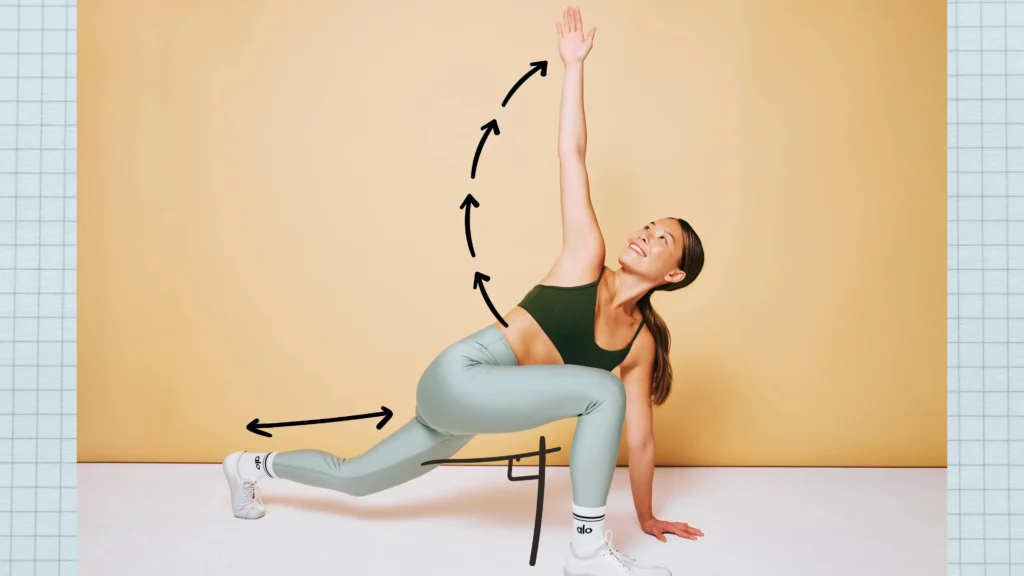
In the realm of fitness, mastering the perfect exercise form is akin to learning the precise strokes of an artist or the exact syntax of a programmer. It’s the foundation upon which effective workouts are built, ensuring not only optimal performance but also minimizing the risk of injury. Many enthusiasts, in their drive to achieve rapid results, often overlook the significance of proper form. This article delves into the art and science of mastering exercise form, offering essential tips to elevate your fitness regimen.
The Importance of Perfect Exercise Form
Why is exercise form so critical? Proper form ensures that the targeted muscles are engaged correctly, maximizing the benefits of the exercise. It also prevents undue stress on joints and other body parts, reducing the risk of injury. Additionally, exercising with correct form can enhance balance, stability, and overall efficiency, leading to more sustainable progress over time.
Common Mistakes in Exercise Form
1. Neglecting a Proper Warm-Up
A common mistake is diving straight into an intense workout without adequately warming up. A proper warm-up prepares your muscles, joints, and cardiovascular system for the demands of exercise, increasing blood flow and flexibility.
2. Lifting Too Heavy
Aiming for heavier weights can be tempting, but doing so without mastering form can lead to compromised movements and increased injury risk. Prioritize form over weight to build strength safely.
3. Incorrect Body Alignment
Misalignment during exercises, such as knees caving in during a squat, can place undue stress on joints and muscles. Maintaining proper alignment is key to effective and safe workouts.
Top Tips for Mastering Exercise Form
1. Start with the Basics
Before attempting advanced exercises, ensure you have mastered the basic movements. Exercises like squats, lunges, and push-ups lay the groundwork for more complex movements. Focus on these foundational exercises to build a strong base.
2. Use a Mirror
Mirrors are valuable tools in the gym. They allow you to visually assess your form, ensuring proper alignment and technique. Position yourself in front of a mirror during workouts to catch any form errors in real-time.
3. Engage Your Core
A strong core is crucial for maintaining stability and proper form. Engage your core muscles during exercises to support your spine and enhance balance. This not only helps with form but also boosts overall performance.
4. Slow and Controlled Movements
Avoid rushing through repetitions. Slow and controlled movements ensure that muscles are engaged throughout the exercise, maximizing effectiveness and minimizing the risk of injury.
5. Breath Control
Proper breathing is often overlooked but plays a crucial role in maintaining form. Exhale during exertion (e.g., lifting a weight) and inhale during the release. This aids in maintaining stability and oxygenates muscles efficiently.
6. Seek Professional Guidance
Consider working with a certified personal trainer, especially if you’re new to exercise or trying a new routine. Trainers can provide personalized guidance, correct form errors, and design a program tailored to your goals.
7. Record Yourself
Recording your workouts can be an excellent way to assess and improve form. Watching the footage allows you to identify areas for improvement and make necessary adjustments.
Specific Exercise Form Tips
Squats
Ensure your feet are shoulder-width apart, and your toes are slightly pointed out. Keep your chest up, back straight, and knees aligned with your toes. Lower your body as if sitting back into a chair, ensuring your knees do not extend past your toes.
Deadlifts
Stand with feet hip-width apart, grip the barbell with hands outside your knees. Keep your chest up, shoulders back, and core engaged. Lift the bar by extending your hips and knees, keeping it close to your body.
Push-Ups
Place your hands slightly wider than shoulder-width apart. Keep your body in a straight line from head to heels, engaging your core. Lower your body until your chest nearly touches the ground, then push back up.
Adapting Form for Different Fitness Levels
It’s essential to adapt exercises to suit your fitness level. Beginners should focus on mastering form with lighter weights or bodyweight exercises before progressing. Intermediate and advanced individuals can incorporate variations and increased resistance, ensuring form is not compromised in the process.
Conclusion
Mastering perfect exercise form is a journey, not a destination. It requires patience, practice, and a commitment to continual learning. By prioritizing form, you lay the foundation for a safe, effective, and rewarding fitness journey. Remember, quality trumps quantity in the realm of exercise; a single perfectly executed rep is worth more than multiple poorly performed ones. Embrace these tips, and take pride in your progress as you refine your form and elevate your fitness levels.