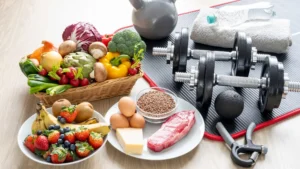
Fueling your body with the right nutrients before exercise is crucial for optimizing performance and recovery. Understanding what to eat before a workout can be the difference between a mediocre session and a stellar performance. This comprehensive guide will delve into the components of an optimal pre-workout meal, timing, portion sizes, and specific food choices to fuel your body effectively.
Understanding the Role of Pre-Workout Nutrition
The primary goal of pre-workout nutrition is to fuel your muscles with the energy they need to perform at their best. By consuming the right nutrients before exercise, you can maximize your performance, maintain energy levels, and prevent muscle damage.
Energy Provision
Carbohydrates are the body’s preferred source of energy, particularly during high-intensity activities. They help maintain blood glucose levels and replenish glycogen stores, which are the primary energy source during workouts.
Muscle Preservation
Protein plays a crucial role in muscle repair and growth. Consuming adequate protein before a workout ensures your muscles have the necessary building blocks to minimize muscle breakdown.
Hydration and Electrolytes
Staying hydrated and maintaining electrolyte balance are also essential. Dehydration can lead to decreased performance, so ensuring you drink enough fluids before exercising is vital.
Components of an Optimal Pre-Workout Meal
An optimal pre-workout meal should include a balance of carbohydrates, protein, and fats, tailored to the intensity and duration of your workout.
Carbohydrates
Carbohydrates are critical for providing the energy required for both aerobic and anaerobic activities. Aim for complex carbohydrates that are digested slowly, such as whole grains, fruits, and vegetables, to sustain energy levels throughout your workout.
Protein
Including protein in your pre-workout meal helps prevent muscle breakdown and supports muscle synthesis. Opt for lean sources of protein like chicken, turkey, tofu, or legumes.
Fats
While fats are not the primary source of energy during short-term, high-intensity exercise, they become more important in longer endurance workouts. Include healthy fats like avocados, nuts, or olive oil, but keep the portion moderate to avoid digestive discomfort.
Timing Your Pre-Workout Meal
The timing of your pre-workout meal is crucial to ensure that your body has digested the nutrients and is ready to perform.
3-4 Hours Before Exercise
A full meal rich in carbohydrates, proteins, and fats should be consumed 3-4 hours before exercise. This allows sufficient time for digestion and absorption of nutrients.
30-60 Minutes Before Exercise
If your workout is scheduled close to meal time, opt for a smaller, easily digestible snack that focuses on carbohydrates and protein. Examples include a banana with almond butter or a small smoothie.
Pre-Workout Meal Ideas
Here are some specific meal and snack ideas tailored to various workout scenarios:
Endurance Workouts
For activities like long-distance running or cycling, focus on meals that provide sustained energy:
– Whole grain pasta with grilled chicken and vegetables
– Oatmeal topped with berries and a dollop of Greek yogurt
– Quinoa salad with chickpeas, cherry tomatoes, and a light lemon vinaigrette
Strength Training
For weightlifting or resistance training, prioritize protein and moderate carbohydrates:
– Grilled salmon with sweet potato and steamed broccoli
– Egg white omelet with spinach and whole-grain toast
– Brown rice with black beans and sautéed bell peppers
High-Intensity Interval Training (HIIT)
For short bursts of intense activity, choose quick-digesting carbohydrates:
– Rice cakes topped with avocado and a boiled egg
– A banana with a small protein shake
– Apple slices with a handful of almonds
Considerations for Specific Dietary Needs
Not everyone has the same dietary preferences or restrictions. Here’s how to tailor pre-workout nutrition for specific needs:
Vegan and Vegetarian
Plant-based athletes can focus on beans, lentils, tofu, and quinoa for protein, and whole grains, fruits, and vegetables for carbohydrates.
Gluten-Free
Choose gluten-free grains like rice, quinoa, or millet and ensure that any processed foods are certified gluten-free to avoid digestive issues.
Low-Carbohydrate Diets
If following a low-carb diet, focus on high-quality proteins and fats. However, consider incorporating some carbohydrates pre-workout to enhance performance.
Hydration: A Key Component
Proper hydration is an often-overlooked aspect of pre-workout nutrition. Dehydration can impair performance significantly, so ensure you’re adequately hydrated before starting your exercise.
– Aim to drink about 500-600 ml of water 2-3 hours before exercise.
– Consume another 250-300 ml 20-30 minutes before your workout.
– Consider electrolyte-rich beverages if your workout exceeds 60 minutes or you are exercising in hot conditions.
Conclusion
Optimal pre-workout nutrition involves a strategic balance of carbohydrates, proteins, and fats tailored to your specific workout needs. Timing your meals correctly and staying hydrated are also crucial components. By understanding and implementing these nutritional strategies, you can enhance your performance, reduce the risk of injury, and support overall fitness goals.
Remember, individual needs can vary, so it’s important to experiment with different foods and timing to determine what works best for your body. Whether you’re an endurance athlete, a strength trainer, or enjoy high-intensity workouts, fueling your body effectively is the key to unlocking your full potential.