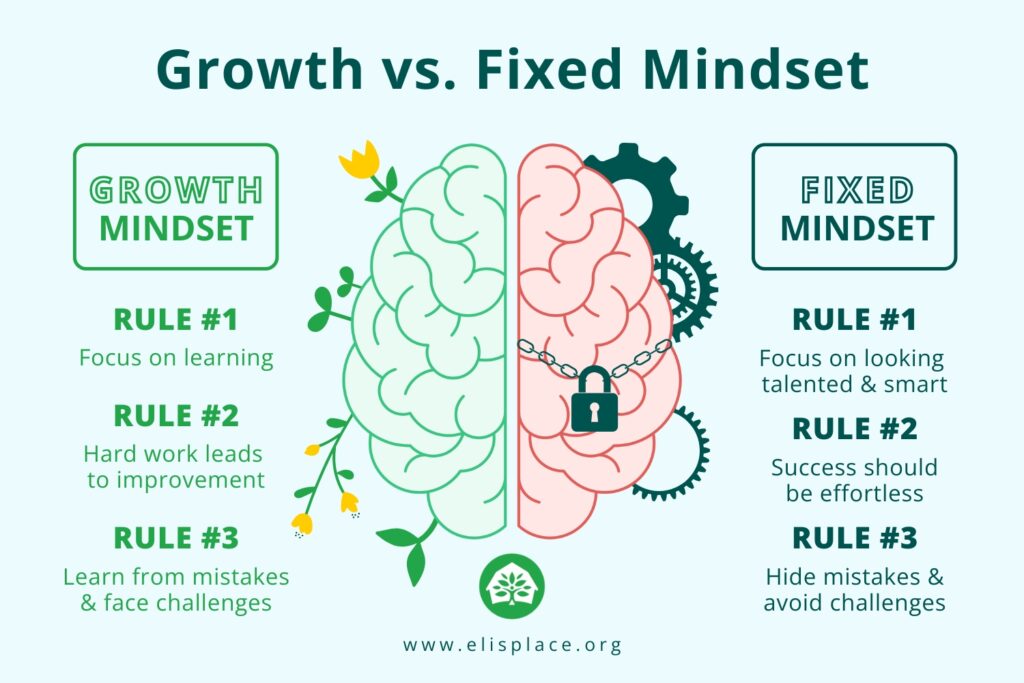
In the rapidly changing world of today, the concept of a growth mindset has gained significant recognition. Coined by psychologist Carol Dweck, a growth mindset is the belief that abilities and intelligence can be developed with effort and perseverance. Unlike a fixed mindset, which sees talent as a static trait, a growth mindset embraces challenges and learns from failures. But how can one cultivate this mindset effectively? Enter innovative growth mindset workouts. This article explores how these workouts can boost your success by fostering resilience, creativity, and continuous learning.
The Science Behind Growth Mindset
Before diving into the workouts, it is essential to understand the science behind a growth mindset. Neuroscience has shown that the brain is malleable, capable of forming new connections and strengthening existing ones throughout life. This neuroplasticity is the foundation of a growth mindset, suggesting that with effort and practice, we can improve our abilities. Engaging in innovative growth mindset workouts activates this neuroplasticity, enhancing cognitive flexibility and adaptability.
Why Innovative Workouts?
Traditional learning and development methods often focus on rote memorization and passive absorption of information. However, innovative growth mindset workouts emphasize active engagement and experiential learning. These workouts are designed to simulate real-world challenges, encouraging individuals to step out of their comfort zones and develop creative problem-solving skills. By mimicking the unpredictability of life, these exercises prepare individuals to handle setbacks and seize opportunities with confidence.
1. Mindful Reflection Journaling
One of the simplest yet most effective growth mindset workouts is mindful reflection journaling. Set aside a few minutes each day to reflect on your experiences, challenges, and accomplishments. Write about what you learned, what you could have done differently, and how you can apply these lessons in the future. This practice encourages self-awareness and helps you recognize patterns in your thinking and behavior. Over time, you’ll notice a shift in your mindset as you become more open to learning from mistakes and embracing new opportunities.
2. Goal Setting with a Twist
Goal setting is a powerful tool, but adding a twist can make it even more effective for fostering a growth mindset. Instead of setting rigid, outcome-focused goals, concentrate on process-oriented goals. For instance, if you aim to become proficient in a new language, set goals related to the learning process, such as practicing for 30 minutes daily or engaging in conversations with native speakers. This shift in focus encourages you to value effort and progress over immediate results, reinforcing the belief that persistence leads to improvement.
3. Embrace the “Yet” Mentality
The word “yet” is a small but mighty tool for developing a growth mindset. Whenever you encounter a challenge or feel frustrated by a lack of progress, remind yourself that you haven’t succeeded “yet.” This simple shift in language reinforces the idea that your current state is temporary and that you have the potential to grow. Incorporate this mentality into your daily life by consciously adding “yet” to your thoughts and conversations. Over time, this habit will help you view obstacles as opportunities for growth rather than insurmountable barriers.
Physical Workouts for Mental Growth
While mental exercises are crucial for developing a growth mindset, physical workouts can also play a significant role. Exercise has been shown to boost mood, reduce stress, and enhance cognitive function, all of which contribute to a growth-oriented mindset. Consider incorporating the following physical activities into your routine to complement your mental workouts.
1. Yoga and Mindfulness
Yoga combines physical movement with mindfulness, making it an excellent workout for cultivating a growth mindset. The practice encourages you to focus on the present moment, let go of judgment, and embrace challenges with curiosity. By learning to control your breath and maintain awareness during difficult poses, you build resilience and mental fortitude. Regular yoga practice can help you develop a more positive outlook and a greater capacity to handle life’s ups and downs.
2. High-Intensity Interval Training (HIIT)
HIIT workouts are known for their physical benefits, but they also offer mental advantages. These workouts require short bursts of intense effort followed by brief recovery periods, simulating the challenges and recoveries we face in life. By pushing yourself to your limits and experiencing discomfort, you develop mental toughness and a willingness to tackle difficult tasks. The endorphin rush from a HIIT session also enhances mood and motivation, further supporting a growth mindset.
3. Team Sports and Collaboration
Engaging in team sports is an excellent way to foster a growth mindset through collaboration and communication. Team sports require you to work with others towards a common goal, navigate conflicts, and adapt to changing circumstances. These experiences teach you the value of cooperation, empathy, and resilience. Whether it’s soccer, basketball, or any other team sport, the lessons learned on the field can translate to personal and professional growth.
Overcoming Common Challenges
Adopting a growth mindset is not always easy, and there are common challenges that individuals may face along the way. Recognizing and overcoming these obstacles is crucial for maintaining progress and reaping the benefits of a growth-oriented approach.
1. Dealing with Self-Doubt
Self-doubt can be a significant barrier to developing a growth mindset. When faced with new challenges, it’s natural to question your abilities. Combat self-doubt by reframing negative thoughts and focusing on past successes. Remind yourself that setbacks are part of the learning process and that you have the capacity to improve. Surround yourself with supportive individuals who can provide encouragement and constructive feedback.
2. Navigating Fear of Failure
Fear of failure is another common hurdle. To overcome it, redefine failure as a learning opportunity rather than a reflection of your worth. Embrace the idea that mistakes are stepping stones to success. Practice self-compassion and remind yourself that everyone experiences setbacks. By shifting your perspective on failure, you’ll be more willing to take risks and explore new possibilities.
3. Staying Consistent
Consistency is key to developing a growth mindset, but maintaining it can be challenging. Establish a routine that incorporates both mental and physical workouts, and track your progress over time. Celebrate small victories and use them as motivation to keep going. If you find yourself slipping, reevaluate your goals and adjust your approach as needed. Remember that growth is a journey, not a destination, and persistence is essential.
Conclusion
Innovative growth mindset workouts offer a dynamic and effective approach to personal and professional development. By engaging in both mental and physical exercises, you can cultivate resilience, adaptability, and a love for learning. Whether through mindful reflection journaling, yoga, or team sports, these workouts empower you to embrace challenges and view setbacks as opportunities for growth. As you integrate these practices into your life, you’ll discover that success is not a matter of talent but of mindset. With dedication and effort, you have the potential to achieve remarkable things.