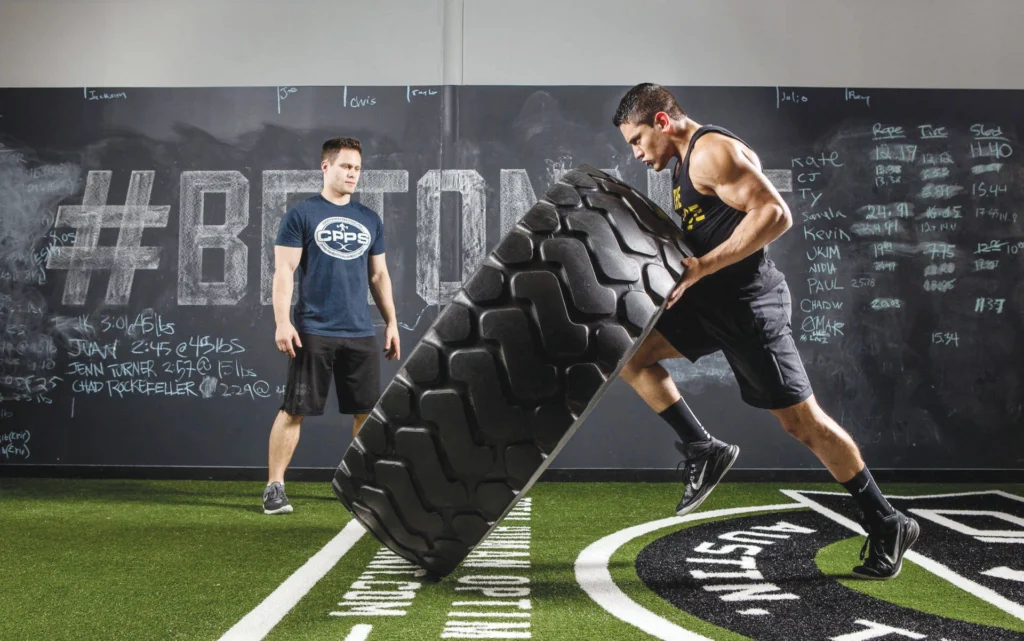
Functional training has gained significant popularity in the fitness world for its ability to improve everyday movement patterns. Unlike traditional strength training, which often focuses on isolated muscle groups, functional training emphasizes exercises that mimic real-life activities. This approach not only enhances overall fitness but also reduces the risk of injury by improving coordination, balance, and strength.
The Principles of Functional Training
Functional training is built on several core principles that differentiate it from other forms of exercise:
- Multi-Planar Movements: Functional exercises typically involve movements in multiple planes of motion, which more closely mimic real-world activities.
- Core Stability: A strong, stable core is essential for functional movement, as it provides the foundation for all other movements.
- Compound Movements: Functional training focuses on compound exercises that engage multiple muscle groups simultaneously, leading to more effective workouts.
- Integration of Muscle Chains: Exercises are designed to activate entire muscle chains rather than isolating single muscles, promoting a more holistic form of strength training.
Benefits of Functional Training
The benefits of functional training extend beyond improved physical appearance. Here are some key advantages:
- Improved Daily Functionality: By training movements rather than muscles, functional exercises enhance your ability to perform everyday tasks with ease.
- Injury Prevention: Functional training strengthens muscles and joints, reducing susceptibility to injury in both athletic and daily activities.
- Increased Strength and Endurance: The focus on compound movements improves muscular strength and endurance, which are essential for overall fitness.
- Better Balance and Coordination: Functional exercises often challenge your balance and coordination, leading to improved agility and control.
- Greater Flexibility: Many functional exercises incorporate flexibility training, enhancing your range of motion and reducing stiffness.
Designing an Effective Functional Training Workout
Creating a functional training routine involves selecting exercises that target multiple muscle groups and enhance various aspects of fitness. Here are some guidelines for designing an effective workout:
- Incorporate a Warm-Up: Begin with dynamic stretches and light cardio to prepare your body for the workout ahead.
- Focus on Movement Patterns: Select exercises that replicate movements you encounter in daily life or sports, such as squats, lunges, and rotational movements.
- Vary Your Exercises: Include a mix of upper and lower body exercises, as well as those that challenge balance and stability.
- Utilize Equipment: Incorporate tools like resistance bands, kettlebells, medicine balls, and stability balls to add variety and increase the challenge.
- Progression: Gradually increase the intensity of your workouts by adding resistance, increasing reps, or reducing rest periods.
Sample Functional Training Workout
Here is a sample functional training workout that targets multiple muscle groups and enhances overall fitness:
Warm-Up
- High Knees: 2 minutes
- Arm Circles: 1 minute (forward and backward)
- Leg Swings: 1 minute (side to side and front to back)
Main Workout
- Squat to Press: 3 sets of 10 reps
Hold a pair of dumbbells at shoulder height. Perform a squat, and as you rise, press the dumbbells overhead. - Reverse Lunge with Rotation: 3 sets of 12 reps (6 per leg)
Hold a medicine ball or dumbbell with both hands. Step back into a reverse lunge and rotate your torso towards the front leg. - Single-Leg Deadlift: 3 sets of 10 reps per leg
Hold a dumbbell in one hand. Stand on one leg, hinge at the hips, and lower the weight towards the ground while extending the opposite leg behind you. - Plank with Arm Lift: 3 sets of 10 reps per arm
In a plank position, lift one arm forward without rotating your hips. Alternate arms. - Russian Twists: 3 sets of 15 reps per side
Sit on the ground with knees bent, lean back slightly, and rotate your torso from side to side while holding a weight or medicine ball.
Cool Down
- Child’s Pose: 2 minutes
- Cobra Stretch: 1 minute
- Standing Quadriceps Stretch: 1 minute per leg
Integrating Functional Training into Your Routine
To maximize the benefits of functional training, consider the following tips for integrating it into your fitness regimen:
- Consistency is Key: Aim to incorporate functional training workouts into your routine at least two to three times per week for optimal results.
- Listen to Your Body: Pay attention to how your body responds to different exercises. Modify or replace exercises that cause discomfort or pain.
- Combine with Other Training Forms: While functional training is highly effective, it’s beneficial to complement it with other forms of exercise, such as cardio, strength training, and flexibility work.
- Seek Professional Guidance: If you’re new to functional training, consider working with a certified personal trainer to ensure proper form and technique.
Conclusion
Functional training offers a comprehensive and effective approach to improving overall fitness and enhancing daily functionality. By focusing on movement patterns, core stability, and multi-planar exercises, this form of training not only builds strength and endurance but also supports injury prevention and enhances quality of life. Whether you’re a seasoned athlete or a fitness novice, incorporating functional training into your routine is a powerful way to boost your fitness and achieve your health goals.