Understanding and achieving a calorie surplus is crucial for anyone looking to gain weight, build muscle, or enhance their physical performance. It involves consuming more calories than your body needs to maintain its current weight, thereby creating an environment conducive to growth. While the concept seems simple, mastering a calorie surplus requires strategic planning and dedication. This guide will walk you through the essential components of establishing a successful calorie surplus for optimal growth.
Understanding Calorie Surplus
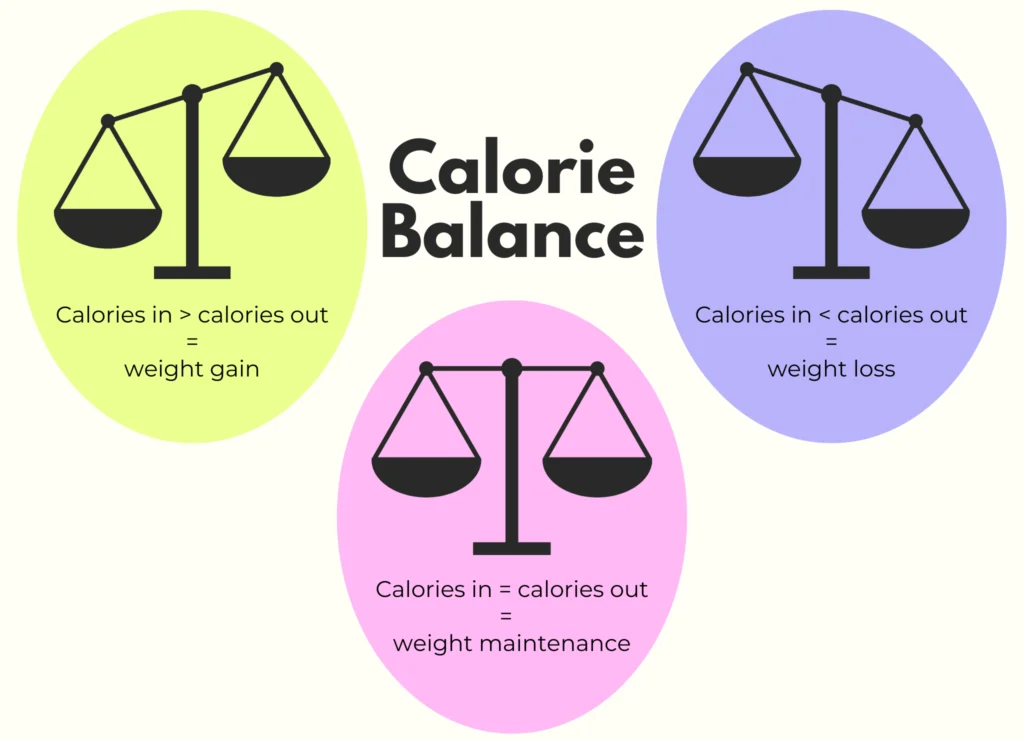
A calorie surplus occurs when the number of calories consumed exceeds the number of calories burned. This surplus provides the body with extra energy, which can be utilized for building muscle, increasing body mass, and improving athletic performance. To embark on a successful calorie surplus journey, it’s essential to understand your maintenance calories, which are the calories required to maintain your current weight. Once you have this baseline, you can strategically increase your intake to create a surplus.
Calculating Your Calorie Needs
Determine Your Basal Metabolic Rate (BMR)
Your BMR is the number of calories your body needs at rest to maintain vital functions such as breathing, circulation, and cell production. Various online calculators can help estimate your BMR based on factors like age, gender, weight, and height. Common formulas include the Harris-Benedict equation and the Mifflin-St Jeor equation.
Estimate Your Total Daily Energy Expenditure (TDEE)
TDEE takes into account your BMR and adds the calories burned through daily activities and exercise. This comprehensive view of your energy expenditure helps determine your maintenance calories. Multiplying your BMR by an activity factor (ranging from sedentary to very active) will give you an estimate of your TDEE.
Creating a Calorie Surplus
Once you have your TDEE, aim to consume 250-500 calories above this number daily to establish a moderate surplus. This range is ideal for promoting muscle gain while minimizing fat accumulation. Adjust your calorie intake based on your progress and goals.
Choosing the Right Nutrients
Focus on Macronutrients
To maximize the benefits of a calorie surplus, pay attention to your macronutrient distribution. Protein is essential for muscle repair and growth, so aim for 1.6-2.2 grams per kilogram of body weight. Carbohydrates provide energy for workouts and recovery, while fats support hormone production and overall health. A balanced macronutrient ratio might look like 15-25% protein, 45-65% carbohydrates, and 20-35% fats.
Emphasize Nutrient-Dense Foods
While it’s tempting to fill your diet with high-calorie junk foods, prioritize nutrient-dense options to ensure you’re getting essential vitamins and minerals. Incorporate whole grains, lean proteins, healthy fats, fruits, and vegetables to support overall health and performance.
Meal Planning and Timing
Strategize Your Meals
Consistent meal planning can make hitting your calorie goals more manageable. Divide your daily intake into 4-6 meals to prevent overwhelming your digestive system and to keep energy levels stable. Include snacks if needed to meet your calorie target.
Pre- and Post-Workout Nutrition
Fueling your body before and after workouts is crucial for optimizing performance and recovery. Consume a balanced meal containing carbohydrates and protein 2-3 hours before exercising. After your workout, aim for a protein-rich meal or shake to support muscle repair and replenish glycogen stores.
Monitoring Progress and Adjusting
Track Your Intake
Keep a food diary or use a nutrition app to monitor your daily calorie intake. Tracking helps ensure you’re consistently meeting your surplus goals and provides insights into your eating habits.
Assess Your Progress
Regularly weigh yourself and take body measurements to assess your progress. If you’re not gaining weight or muscle as expected, consider increasing your calorie intake. Conversely, if you’re gaining too much fat, reduce your surplus slightly.
Overcoming Common Challenges
Dealing with Appetite Issues
If you struggle to eat enough, focus on calorie-dense foods and liquids. Smoothies, nut butters, avocados, and trail mix are excellent options. Eating smaller, more frequent meals can also make it easier to meet your calorie goals.
Maintaining Motivation
Staying motivated during a calorie surplus phase can be challenging, especially if progress is slow. Set realistic goals, celebrate small victories, and remind yourself of the long-term benefits. Consider working with a nutritionist or personal trainer for additional support and accountability.
Conclusion
Mastering a calorie surplus is a journey that requires patience, persistence, and strategic planning. By understanding your calorie needs, choosing the right nutrients, and monitoring your progress, you can create an environment conducive to growth and achieve your weight and muscle gain goals. Remember, the key to success lies in consistency and making informed decisions tailored to your unique needs.