In the evolving world of fitness, understanding the biomechanics of exercise is crucial for optimizing workout efficiency. Biomechanics, the study of movement and the forces that act on the body, is essential for anyone looking to enhance their performance, prevent injury, and achieve their fitness goals. By mastering exercise biomechanics, enthusiasts can refine their techniques, make informed choices about their exercise regimens, and ultimately maximize their results.
The Basics of Exercise Biomechanics
Biomechanics involves analyzing how muscles, bones, tendons, and ligaments work together to produce movement. It encompasses concepts such as force, leverage, balance, and coordination. Understanding these elements can help individuals perform exercises more effectively, targeting the intended muscle groups while minimizing unnecessary strain.
Force and Leverage
Force is a critical component in exercise, as it involves the effort applied by muscles to move body parts. Leverage, on the other hand, refers to the mechanical advantage gained by using a lever system in the body, such as the bones and joints. By understanding how to manipulate leverage and apply force efficiently, exercisers can enhance their strength and power output.
Balance and Coordination
Balance and coordination are essential for maintaining stability and control during physical activities. Proper biomechanics ensure that movements are smooth and efficient, reducing the risk of falls and injuries. Training these aspects can significantly improve athletic performance and daily functional activities.
Benefits of Mastering Biomechanics
Mastering exercise biomechanics offers numerous advantages that extend beyond the gym. It enhances performance, reduces injury risk, and promotes longevity in fitness endeavors.
Enhanced Performance
By applying biomechanical principles, individuals can perform exercises with greater precision and effectiveness. This leads to improved muscle activation, increased strength, and better overall performance. Athletes, in particular, benefit from biomechanics by refining techniques and gaining a competitive edge.
Injury Prevention
Incorrect form and technique are common causes of exercise-related injuries. By understanding and applying proper biomechanics, individuals can mitigate these risks. This involves using the correct posture, alignment, and movement patterns to prevent overuse injuries, strains, and sprains.
Longevity in Fitness
Adhering to biomechanical principles promotes sustainable fitness practices. It allows individuals to continue exercising effectively and safely over the long term, avoiding burnout and physical setbacks. This longevity is essential for maintaining overall health and well-being throughout life.
Key Concepts in Exercise Biomechanics
Several key concepts are fundamental to understanding and applying biomechanics in exercise. These include the kinetic chain, joint alignment, muscle activation, and range of motion.
Kinetic Chain
The kinetic chain refers to the interconnected system of muscles, bones, and joints that work together to produce movement. When one part of the chain is out of alignment or not functioning properly, it can affect the entire system. Understanding the kinetic chain is essential for identifying weak links and optimizing movement patterns.
Joint Alignment
Proper joint alignment ensures that movements are performed safely and effectively. Misalignment can lead to unnecessary stress on joints, resulting in pain and injury. By focusing on alignment, exercisers can enhance their form and reduce the risk of joint-related issues.
Muscle Activation
Effective muscle activation involves engaging the correct muscles during an exercise. This ensures that the intended muscle groups are being targeted, leading to more efficient workouts. Understanding muscle activation patterns can also help prevent muscle imbalances and improve overall strength.
Range of Motion
Range of motion refers to the movement capacity of a joint. Maintaining a full range of motion is crucial for flexibility and functional movement. Exercises should be performed through the entire range to maximize benefits and prevent stiffness and limitations.
Practical Applications of Biomechanics in Workouts
Applying biomechanical principles to workouts involves making informed choices about exercise selection, form, and technique. This section explores practical ways to incorporate biomechanics into various fitness routines.
Exercise Selection
Choosing exercises that align with biomechanical principles is essential for maximizing effectiveness. Compound movements, such as squats, deadlifts, and bench presses, engage multiple muscle groups and promote functional strength. Isolation exercises, like bicep curls and tricep extensions, should be used strategically to target specific muscles.
Form and Technique
Maintaining proper form and technique is crucial for optimizing biomechanics. This involves paying attention to posture, alignment, and movement patterns. Exercisers should focus on controlled, deliberate movements, avoiding momentum and jerky motions that can compromise form.
Progressive Overload
Progressive overload, the gradual increase of stress placed on the body during exercise, is a fundamental principle in biomechanics. It involves systematically increasing resistance, repetitions, or intensity to promote muscle growth and adaptation. By understanding biomechanics, individuals can apply progressive overload safely and effectively.
Monitoring and Feedback
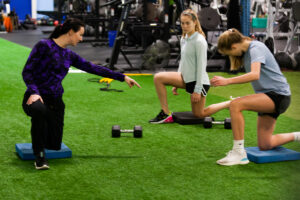
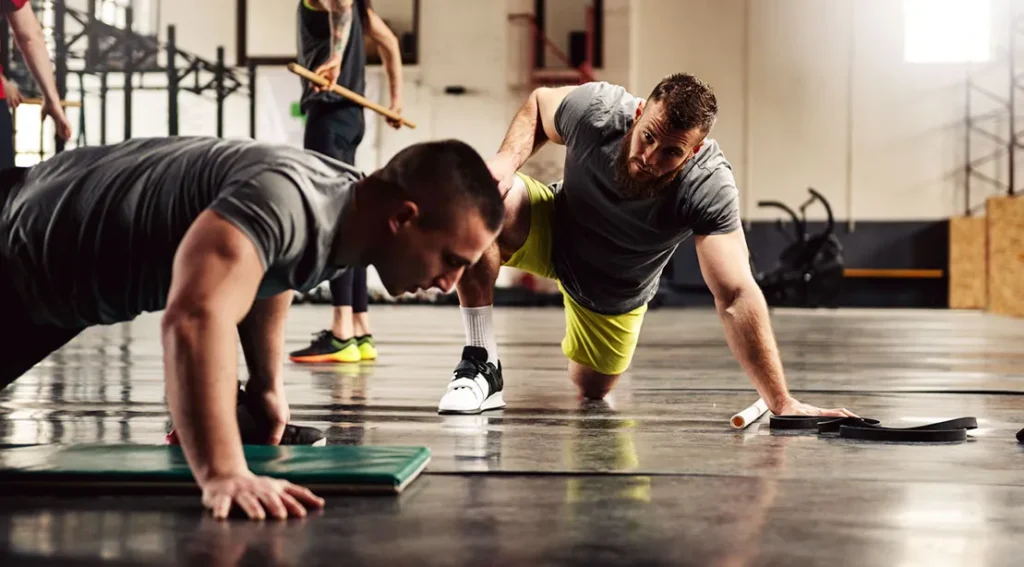
Monitoring progress and seeking feedback are essential for refining biomechanics. This can involve using mirrors to check form, recording workouts, or working with a coach or trainer. Feedback provides valuable insights into areas for improvement, helping individuals optimize their movements and techniques.
Conclusion
Mastering exercise biomechanics is a powerful tool for optimizing workout efficiency. By understanding the principles of biomechanics, individuals can enhance their performance, prevent injuries, and achieve their fitness goals with greater success. Whether you are an athlete striving for peak performance or a fitness enthusiast seeking a healthier lifestyle, incorporating biomechanics into your training regimen is a strategic step towards long-term success.
Embrace the science of movement, refine your techniques, and unlock your full potential in the world of fitness. With dedication and a focus on biomechanics, you can transform your workouts and achieve the results you desire.