In today’s fast-paced world, finding time and resources for fitness can be challenging. However, effective workouts don’t always require a gym membership or expensive equipment. Bodyweight workouts are an excellent way to improve fitness, build strength, and enhance flexibility using your own body as resistance. This article explores the benefits, strategies, and routines involved in maximizing fitness with bodyweight exercises.
The Benefits of Bodyweight Workouts
Bodyweight workouts offer numerous advantages that make them suitable for individuals of all fitness levels. Here are some key benefits:
Convenience and Accessibility
One of the most significant advantages of bodyweight workouts is their convenience. You can perform these exercises anywhere—at home, in a park, or even in a hotel room when traveling. No specialized equipment is needed, making it easier to stay consistent with your fitness routine.
Improved Functional Fitness
Bodyweight exercises mimic natural movements, enhancing functional fitness. This means they improve your ability to perform daily activities with ease and reduce the risk of injury. Movements like squats, lunges, and push-ups engage multiple muscle groups, promoting better coordination and balance.
Scalability and Customization
These workouts are highly scalable and can be tailored to suit individual fitness levels. Beginners can start with basic movements, while advanced users can increase intensity by incorporating variations or reducing rest times. This adaptability ensures continuous progression and challenges.
Enhanced Cardiovascular and Muscular Endurance
Bodyweight workouts can enhance both cardiovascular fitness and muscular endurance. High-intensity interval training (HIIT) using bodyweight exercises can elevate your heart rate, improving cardiovascular health. Additionally, performing exercises with higher repetitions increases muscular endurance.
Designing an Effective Bodyweight Workout
Creating an effective bodyweight workout involves understanding the key components of fitness: strength, endurance, flexibility, and balance. Here’s how to design a well-rounded routine:
Warm-Up and Cool-Down
Begin each session with a dynamic warm-up to increase blood flow and prepare your muscles. Incorporate movements like arm circles, leg swings, and dynamic stretches. Similarly, end with a cool-down to promote recovery and flexibility. Static stretching and deep breathing are beneficial.
Incorporate Compound Movements
Focus on compound movements that engage multiple muscle groups. Exercises like push-ups, squats, and lunges are excellent for building strength and coordination. These movements also enhance calorie burn due to their high energy demand.
Balance Push and Pull Exercises
Achieving muscular balance is crucial for preventing injuries. Incorporate an equal number of push (e.g., push-ups, tricep dips) and pull (e.g., inverted rows, pull-ups) exercises to ensure balanced muscle development.
Plan for Progression
To avoid plateaus, gradually increase the difficulty of your workouts. Implement progressions by changing the angle of exercises, adding plyometric elements, or shortening rest periods. This stimulates muscle growth and keeps your routine challenging.
Include Core Stabilization
A strong core is essential for overall stability and functional fitness. Incorporate exercises like planks, Russian twists, and mountain climbers to target your core muscles. These movements also improve posture and reduce back pain.
Sample Bodyweight Workout Routine
Here’s a sample bodyweight workout that targets various muscle groups and promotes overall fitness:
Warm-Up (5-10 Minutes)
- Jumping Jacks: 1 minute
- Arm Circles: 30 seconds each direction
- Leg Swings: 30 seconds each leg
- Dynamic Lunges: 1 minute
Workout (3 Sets of Each Exercise)
- Push-Ups: 12-15 reps
- Bodyweight Squats: 15-20 reps
- Plank: 30-60 seconds
- Inverted Rows (if available): 10-12 reps
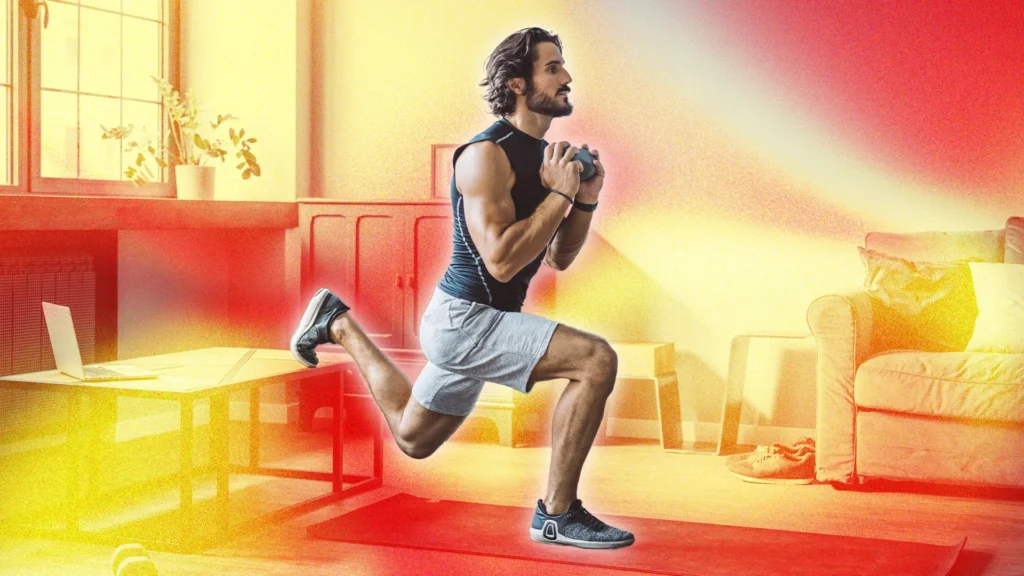
- Walking Lunges: 10-12 reps per leg
- Burpees: 10 reps
- Russian Twists: 15 reps per side
Cool-Down (5-10 Minutes)
- Standing Quad Stretch: 30 seconds each leg
- Hamstring Stretch: 30 seconds each leg
- Child’s Pose: 1 minute
- Deep Breathing: 2 minutes
Tips for Maximizing Your Bodyweight Workouts
To make the most of your bodyweight workouts, consider the following tips:
Focus on Form
Maintaining proper form is crucial to prevent injuries and ensure effective muscle engagement. Concentrate on your technique, especially as you progress to more challenging variations.
Embrace Variety
Incorporate a variety of exercises and routines to keep your workouts interesting and engaging. This not only prevents boredom but also ensures a balanced approach to fitness.
Track Your Progress
Keep a record of your workouts, noting repetitions, sets, and rest periods. Tracking your progress helps you identify areas for improvement and stay motivated.
Stay Consistent
Consistency is key to achieving fitness goals. Aim for at least three to four bodyweight workouts per week, allowing time for rest and recovery between sessions.
Nourish Your Body
Fuel your body with nutritious foods to support your workouts and recovery. Hydration and balanced meals rich in protein, carbohydrates, and healthy fats are essential for optimal performance and muscle growth.
Conclusion
Bodyweight workouts offer a flexible, accessible, and effective means of achieving fitness goals without the need for expensive equipment or gym memberships. By incorporating compound movements, balancing push and pull exercises, and planning for progression, you can create a comprehensive routine that enhances strength, endurance, and overall well-being. Remember to focus on form, embrace variety, and stay consistent to maximize the benefits of your bodyweight workouts. With dedication and perseverance, you can achieve a high level of fitness that supports a healthy, active lifestyle.