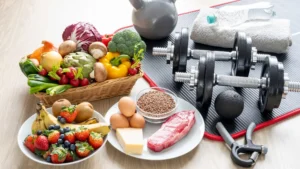
Building muscle is a common goal for many fitness enthusiasts, athletes, and anyone looking to improve their physical health. While exercise plays a crucial role in muscle development, nutrition, specifically protein intake, is equally important. Protein is the building block of muscle tissue, and optimizing its intake can significantly enhance muscle growth. This article explores how to perfect your protein intake to maximize muscle growth.
The Role of Protein in Muscle Growth
Protein is composed of amino acids, which are essential for repairing and building muscle tissue. When you exercise, especially when performing resistance training, you create micro-tears in your muscle fibers. Protein helps repair these tears, leading to muscle growth and increased strength over time. Without adequate protein, your muscles won’t recover properly, and your growth potential could be compromised.
Understanding Protein Requirements
Protein requirements vary based on several factors, including age, gender, weight, activity level, and fitness goals. For those aiming to build muscle, a general guideline is to consume between 1.6 to 2.2 grams of protein per kilogram of body weight per day. However, individual needs may vary, and it may be beneficial to consult with a nutritionist or dietitian for a personalized plan.
Calculating Your Protein Needs
To calculate your protein needs, first determine your body weight in kilograms. Then, multiply your weight by the recommended protein intake range (1.6 to 2.2 grams). For example, a person weighing 70 kilograms might need between 112 and 154 grams of protein per day to support muscle growth.
Timing Your Protein Intake
The timing of protein intake can also impact muscle growth. Consuming protein throughout the day, rather than in one large meal, ensures a steady supply of amino acids to your muscles. This approach helps maintain muscle protein synthesis, the process by which your body builds new muscle tissue.
The Anabolic Window
The “anabolic window” is a period post-exercise when your muscles are particularly receptive to nutrients. Consuming protein within 30 to 60 minutes after your workout can enhance muscle repair and growth. However, recent research suggests that the anabolic window may be longer than previously thought, so while it’s beneficial to consume protein soon after exercise, the exact timing may be flexible.
Choosing the Right Protein Sources
Not all protein sources are created equal. High-quality proteins contain all nine essential amino acids, making them complete proteins. Animal-based proteins, such as meat, fish, eggs, and dairy, are complete proteins and are typically more effective for muscle growth. However, plant-based proteins can also support muscle development when combined properly.
Animal-Based Proteins
- Chicken and Turkey: Lean sources of protein that are versatile and easy to prepare.
- Fish: Rich in omega-3 fatty acids, which have anti-inflammatory properties that can aid recovery.
- Eggs: Contain all essential amino acids and are a convenient source of high-quality protein.
- Dairy: Products like milk, cheese, and yogurt provide protein and other essential nutrients like calcium.
Plant-Based Proteins
- Legumes: Beans, lentils, and chickpeas are excellent protein sources when combined with grains.
- Quinoa: A complete protein that contains all essential amino acids.
- Nuts and Seeds: Provide healthy fats and protein, making them a great snack option.
- Tofu and Tempeh: Soy-based proteins that are versatile and can be used in various dishes.
Supplementing with Protein
For those who struggle to meet their protein needs through food alone, protein supplements can be an effective tool. Whey protein, casein protein, and plant-based protein powders are popular choices. Whey protein is quickly absorbed, making it ideal for post-workout nutrition, while casein is slowly digested, providing a steady release of amino acids.
Choosing the Right Supplement
When selecting a protein supplement, consider factors such as dietary restrictions, protein content per serving, and additional ingredients like sugars or artificial flavors. It’s important to choose a supplement that aligns with your nutritional goals and lifestyle.
Common Protein Intake Mistakes
Despite the importance of protein, it’s possible to make mistakes in your intake that can hinder muscle growth. Here are some common pitfalls to avoid:
- Not Eating Enough Protein: Underestimating your protein needs can slow down recovery and muscle growth.
- Over-reliance on Supplements: While supplements are convenient, they shouldn’t replace whole food sources of protein.
- Ignoring Other Nutrients: Carbohydrates and fats are also essential for energy and overall health, so ensure a balanced diet.
- Inconsistent Timing: Skipping meals or not timing protein intake around workouts can impact muscle recovery.
Conclusion
Optimizing your protein intake is crucial for maximizing muscle growth and recovery. By understanding your protein needs, timing your intake effectively, and choosing high-quality sources, you can support your fitness goals and enhance your performance. Remember, consistency and balance are key, so aim to integrate these strategies into your daily routine for the best results.