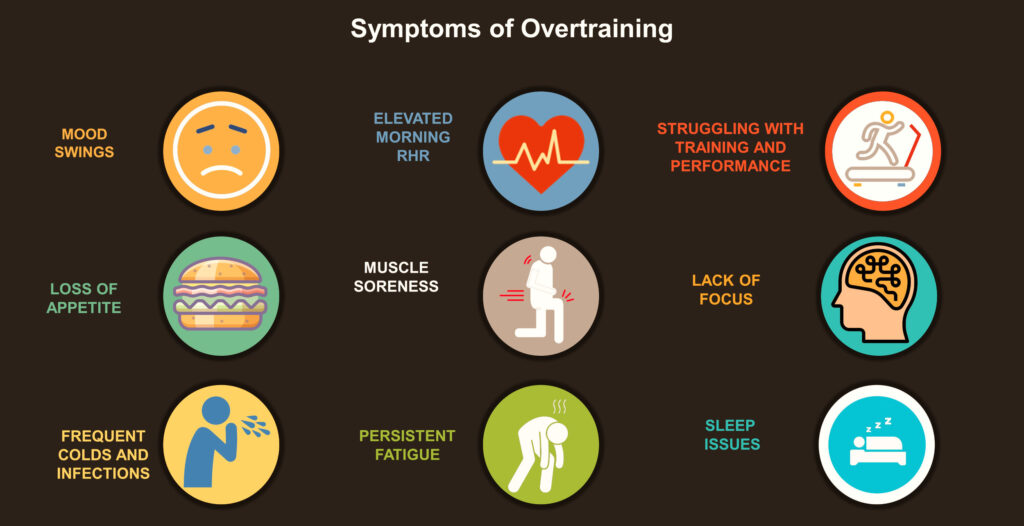
In the pursuit of fitness goals, athletes and fitness enthusiasts often push their bodies to the limits. While dedication and hard work are crucial, there is a fine line between optimal training and overtraining. Overtraining occurs when the balance between stress and recovery is disrupted, leading to a decline in performance and an increased risk of injury. Recognizing the symptoms of overtraining is essential for maintaining long-term health and achieving fitness goals efficiently. In this article, we will explore the key warning signs of overtraining and how to address them effectively.
Understanding Overtraining
Overtraining is a state of physical, emotional, and mental exhaustion caused by excessive training without adequate recovery. It can affect anyone, from elite athletes to recreational exercisers. Overtraining is not just a result of increased physical activity but also due to insufficient rest, inadequate nutrition, and high levels of stress.
The body’s response to training is a complex interplay of various physiological processes. When training intensity or volume exceeds the body’s capacity to recover, it can lead to a state of overtraining. This not only hampers performance but can also have detrimental effects on overall health.
Physical Symptoms of Overtraining
1. Persistent Fatigue
One of the most common symptoms of overtraining is chronic fatigue. Unlike regular tiredness, this fatigue does not subside with rest. It can leave individuals feeling drained and lacking energy for everyday activities, let alone workouts. Persistent fatigue is a clear indication that the body is not recovering adequately from training sessions.
2. Decreased Performance
A decline in performance is a significant red flag for overtraining. Despite consistent training, you may find that your strength, endurance, or speed is not improving or is even regressing. This decrease in performance can be frustrating and is often a sign that the body needs more time to recover.
3. Frequent Injuries
Overtraining can increase the risk of injuries, particularly stress fractures, tendonitis, and muscle strains. The body’s inability to repair and strengthen tissues adequately can make injuries more frequent and recovery times longer. Paying attention to nagging aches and pains is crucial to prevent serious injuries.
4. Elevated Resting Heart Rate
An elevated resting heart rate is a physiological marker of overtraining. When the body is under stress, the heart rate remains higher than usual even at rest. Monitoring your resting heart rate regularly can help identify overtraining early on. A consistent increase of 5-10 beats per minute can be an indication that the body is under excessive stress.
5. Sleep Disturbances
Overtraining can disrupt sleep patterns, leading to insomnia or restless sleep. The body’s stress response can interfere with the production of hormones that regulate sleep. Poor sleep quality further exacerbates fatigue and hinders recovery, creating a vicious cycle that impacts overall well-being.
Mental and Emotional Symptoms of Overtraining
1. Mood Swings
Overtraining can take a toll on mental health, leading to mood swings, irritability, and increased anxiety. The body’s stress response affects neurotransmitter balance, impacting mood regulation. If you find yourself feeling unusually irritable or anxious, it may be time to reassess your training regimen.
2. Lack of Motivation
A sudden loss of interest or motivation for training can be a sign of overtraining. When the body and mind are exhausted, the desire to push through workouts wanes. It’s essential to listen to your body and recognize when it’s signaling a need for a break.
3. Cognitive Impairment
Overtraining can affect cognitive function, leading to difficulties in concentration, memory, and decision-making. Mental fatigue is a common symptom, making it challenging to focus on tasks or retain information. Prioritizing mental rest is as important as physical recovery.
Identifying Overtraining: The Importance of Self-Monitoring
Self-monitoring is a vital tool for recognizing overtraining symptoms early. Keeping a training log that includes details about workouts, energy levels, mood, and sleep can provide valuable insights into your body’s response to training. Monitoring physiological markers like resting heart rate and heart rate variability can also help identify signs of overtraining.
Regular check-ins with a fitness coach or healthcare professional can provide an objective perspective on your training regimen. They can help assess your progress, identify potential issues, and suggest appropriate modifications to prevent overtraining.
Strategies for Preventing and Addressing Overtraining
1. Prioritize Rest and Recovery
Rest and recovery are integral components of any successful training program. Incorporating rest days, active recovery sessions, and adequate sleep into your routine is essential for allowing the body to repair and rebuild. Ensuring that your body has enough time to recover between intense workouts is crucial for avoiding overtraining.
2. Implement Periodization
Periodization involves structuring your training program into cycles of varying intensity and volume. This approach helps prevent overtraining by providing planned periods of rest and recovery. By alternating between high-intensity and low-intensity phases, you can optimize performance while minimizing the risk of burnout.
3. Listen to Your Body
Paying attention to your body’s signals is vital for preventing overtraining. If you experience persistent fatigue, lack of motivation, or any other warning signs, it’s essential to take a step back and allow your body to recover. Ignoring these signals can lead to more severe consequences and prolonged recovery times.
4. Maintain a Balanced Diet
Nutrition plays a crucial role in supporting recovery and preventing overtraining. Consuming a balanced diet rich in essential nutrients helps replenish energy stores and repair tissues. Adequate protein intake, along with carbohydrates and healthy fats, is essential for optimal recovery and performance.
5. Manage Stress Levels
High levels of stress can exacerbate the effects of overtraining. Implementing stress management techniques such as mindfulness, meditation, and relaxation exercises can help mitigate the impact of stress on the body. Finding a balance between training and other life commitments is crucial for maintaining overall well-being.
Conclusion
Recognizing the symptoms of overtraining is essential for maintaining a healthy and sustainable approach to fitness. By understanding the warning signs and implementing strategies to prevent and address overtraining, you can achieve your fitness goals while prioritizing your overall well-being. Remember, fitness is a lifelong journey, and taking care of your body is paramount to long-term success. Listen to your body, prioritize recovery, and seek professional guidance when needed to ensure a balanced and effective training regimen.
#ChatGPT assisted in the creation of this article.