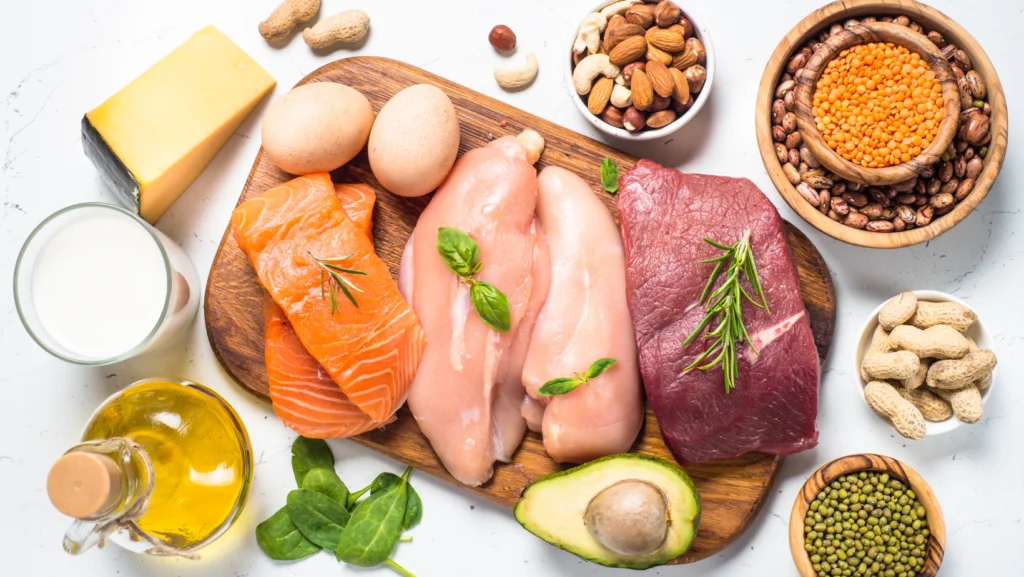
In the pursuit of optimal health and fitness, protein plays an indispensable role. This macronutrient is crucial not only for muscle repair and growth but also for maintaining a robust immune system, producing hormones, and supporting overall cellular functions. With an array of protein sources available, choosing the right ones that align with your health and fitness goals can be overwhelming. This article delves into the top protein sources, both animal-based and plant-based, to help you make informed dietary choices.
The Importance of Protein in Health and Fitness
Protein is made up of amino acids, which are the building blocks of muscle tissue and are essential for repairing tissues. Amino acids are categorized into essential, non-essential, and conditionally essential, with the body requiring a balanced intake of these to function optimally. For fitness enthusiasts, athletes, or anyone engaging in regular physical activity, protein is essential for recovery and performance enhancement. Additionally, adequate protein intake can aid in weight management by promoting satiety and preserving lean muscle mass.
Animal-Based Protein Sources
Animal-based proteins are considered complete proteins because they contain all the essential amino acids the body needs. Here are some of the top animal-based protein sources:
1. Eggs
Eggs are often hailed as one of the most complete and versatile protein sources. A single large egg contains about 6 grams of high-quality protein. Besides protein, eggs are rich in vitamins such as B12 and D, and minerals like selenium and choline, which are crucial for brain health. The versatility of eggs makes them an easy addition to any meal, whether boiled, scrambled, or poached.
2. Poultry
Chicken and turkey are lean meats that provide a substantial amount of protein without excessive fat. A 3-ounce serving of chicken breast offers approximately 26 grams of protein. Poultry is not only rich in protein but also provides B vitamins and minerals like zinc and iron. Opting for skinless cuts can further reduce fat intake, making it an ideal choice for those looking to build lean muscle.
3. Fish and Seafood
Fish and seafood are excellent sources of high-quality protein and are rich in omega-3 fatty acids, which are beneficial for heart health. Salmon, tuna, and mackerel are particularly high in protein, with a 3-ounce serving of salmon providing around 22 grams. Shellfish like shrimp and crab also offer a lean source of protein. Regular consumption of fish can contribute to improved cardiovascular health and reduced inflammation.
4. Dairy Products
Dairy products like milk, yogurt, and cheese are not only rich in protein but also provide calcium, which is vital for bone health. Greek yogurt, for instance, contains up to 20 grams of protein per serving and is also a source of probiotics, which support digestive health. Whey and casein, derived from milk, are popular protein supplements among athletes for their rapid and slow digestion rates, respectively.
5. Red Meat
Beef, lamb, and pork are rich in protein, iron, and vitamin B12. While red meat is a potent protein source, it is advisable to consume lean cuts to minimize saturated fat intake. Grass-fed beef offers additional benefits, including higher omega-3 fatty acids and antioxidants.
Plant-Based Protein Sources
For vegetarians, vegans, or those looking to diversify their protein intake, plant-based proteins are invaluable. Although most plant proteins are incomplete, combining different sources can provide all essential amino acids.
1. Legumes
Beans, lentils, and chickpeas are excellent sources of plant-based protein and fiber. A cup of cooked lentils contains about 18 grams of protein. Legumes are also rich in iron, potassium, and folate, making them a nutritious addition to any diet. They are versatile and can be used in soups, stews, salads, and even as plant-based patties.
2. Tofu and Tempeh
Derived from soybeans, tofu and tempeh are staple protein sources in vegetarian and vegan diets. Tofu offers around 10 grams of protein per half-cup serving, while tempeh provides about 15 grams. These soy products are also rich in calcium and iron. Tofu’s neutral taste allows it to absorb flavors well, making it suitable for a variety of dishes, while tempeh has a nutty flavor perfect for stir-fries and sandwiches.
3. Quinoa
Quinoa is a complete protein, meaning it contains all nine essential amino acids. A cup of cooked quinoa provides around 8 grams of protein. Besides protein, quinoa is high in fiber, magnesium, and phosphorus. Its versatility allows it to be used as a base for salads, bowls, or as a side dish.
4. Nuts and Seeds
Almonds, chia seeds, hemp seeds, and flaxseeds are nutrient-dense foods that offer a good amount of protein along with healthy fats. For example, an ounce of almonds contains around 6 grams of protein. These can be consumed as snacks, added to smoothies, or used as toppings for various dishes.
5. Edamame
Edamame, or young soybeans, are a popular snack and appetizer. A cup of cooked edamame contains approximately 17 grams of protein. They are also high in fiber, vitamins, and minerals, making them a healthy addition to salads and stir-fries.
Protein Supplements
While whole food sources of protein are ideal, protein supplements can be a convenient option for those who struggle to meet their protein needs through diet alone, especially athletes with higher protein requirements.
1. Whey Protein
Whey protein, a byproduct of cheese production, is a complete protein source that is rapidly absorbed by the body. It is ideal for post-workout recovery, providing all essential amino acids needed for muscle repair.
2. Plant-Based Protein Powders
For those who prefer plant-based options, protein powders made from peas, brown rice, or hemp are available. These often combine different plant sources to ensure a complete amino acid profile.
Conclusion
Choosing the right protein sources is crucial for supporting health and fitness goals. Whether you prefer animal-based or plant-based proteins, each offers unique benefits that can enhance your diet. By incorporating a variety of protein-rich foods, you can ensure your body receives all the essential amino acids it needs to function optimally. Remember, while protein is vital, a balanced diet that includes carbohydrates and fats, along with regular physical activity, forms the foundation of a healthy lifestyle.