Building muscle isn’t just about lifting weights; it’s also about providing your body with the necessary nutrients to fuel growth. An effective muscle gain diet requires a strategic balance of macronutrients, nutrient timing, and energy intake. In this article, we’ll explore the ultimate diet plan to maximize your muscle growth, ensuring you get the most out of your workouts.
The Importance of Nutrition in Muscle Building
While exercise stimulates muscle growth, nutrition provides the raw materials necessary for repair and growth. Muscle tissue is primarily composed of protein, and adequate protein intake is crucial for building mass. However, carbohydrates and fats also play vital roles in energy provision and hormonal regulation. The right diet can enhance recovery, improve performance, and lead to significant gains in muscle size and strength.
Macronutrients: The Building Blocks of Muscle
Protein: The Foundation of Muscle Growth
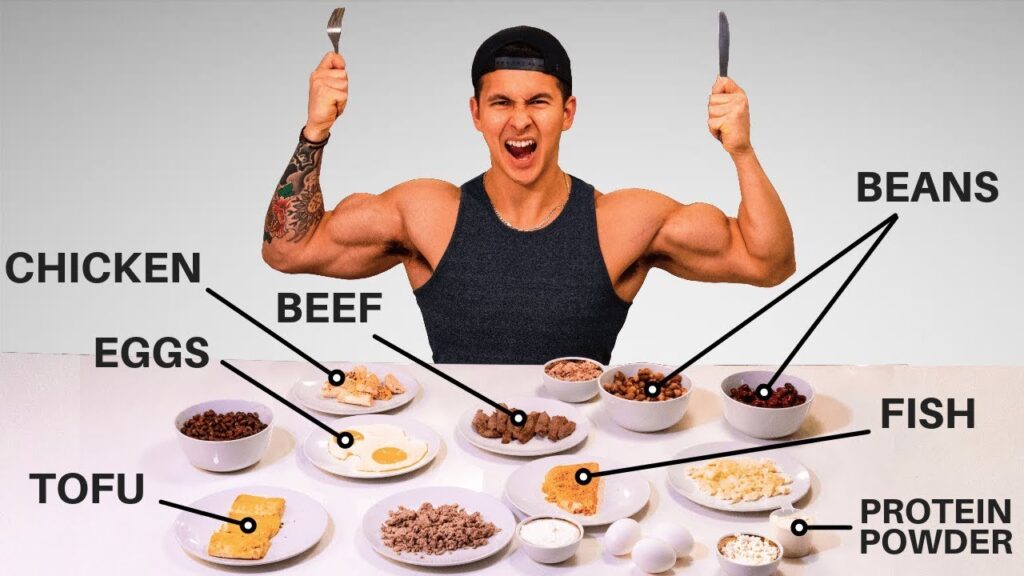
Protein is essential for muscle repair and growth. Amino acids, the building blocks of protein, are used to repair microtears in muscle tissues caused by intense workouts. To maximize muscle protein synthesis, it’s crucial to consume an adequate amount of protein. A general guideline for muscle gain is 1.6 to 2.2 grams of protein per kilogram of body weight per day. High-quality protein sources include chicken, turkey, fish, eggs, dairy products, legumes, and plant-based options like tofu and tempeh.
Carbohydrates: Fuel for Performance
Carbohydrates are the primary energy source during intense workouts. They replenish glycogen stores in muscles, ensuring sustained energy levels and improved performance. A diet low in carbohydrates can lead to fatigue and hinder your ability to train at high intensities. Aim to consume 3 to 7 grams of carbohydrates per kilogram of body weight, depending on your activity level. Opt for complex carbohydrates such as whole grains, fruits, vegetables, and legumes, which provide sustained energy and essential nutrients.
Fats: Hormonal Balance and Energy
Fats are crucial for maintaining hormonal balance, particularly testosterone levels, which play a significant role in muscle growth. Healthy fats also provide a concentrated energy source, aiding in endurance and overall caloric intake. Aim for fats to constitute 20-35% of your total caloric intake. Prioritize healthy fats such as avocados, nuts, seeds, olive oil, and fatty fish like salmon and mackerel.
Micronutrients: Supporting Muscle Function and Recovery
While macronutrients are the primary focus of a muscle gain diet, micronutrients also play a significant role in supporting muscle function and recovery. Vitamins and minerals such as vitamin D, calcium, magnesium, and zinc are crucial for bone health, muscle contraction, and protein synthesis. Incorporating a variety of fruits, vegetables, nuts, and seeds into your diet can help ensure you receive an adequate supply of these essential nutrients.
Caloric Surplus: The Key to Muscle Gain
To gain muscle, you must consume more calories than you burn, creating a caloric surplus. This surplus provides the additional energy needed for muscle growth. Determine your maintenance caloric intake and add 250 to 500 calories per day to promote steady muscle gain. Be cautious not to increase your caloric intake too quickly, as this can lead to unwanted fat gain.
Nutrient Timing: Optimizing Growth and Recovery
Pre-Workout Nutrition
Fueling your body before a workout is essential for optimal performance and muscle growth. A balanced pre-workout meal containing carbohydrates and protein can enhance energy levels, improve endurance, and minimize muscle protein breakdown. Consume this meal 1-3 hours before your workout. Examples include a banana with almond butter or a chicken and quinoa salad.
Post-Workout Nutrition
Post-workout nutrition is crucial for maximizing muscle protein synthesis and replenishing glycogen stores. Consuming a combination of protein and carbohydrates within 30-60 minutes after your workout can accelerate recovery and muscle growth. A protein shake with a banana or a turkey sandwich on whole-grain bread are excellent choices.
Hydration: Supporting Performance and Recovery
Adequate hydration is vital for muscle function and recovery. Water is involved in numerous physiological processes, including nutrient transport and waste removal. Dehydration can impair performance and delay recovery, negatively impacting muscle growth. Aim to drink at least 3 liters of water per day, adjusting based on your activity level and climate.
Sample Meal Plan for Muscle Gain
To help you get started, here is a sample meal plan designed to support muscle gain:
Breakfast
- 3 scrambled eggs with spinach and tomatoes
- 1 slice of whole-grain toast with avocado
- 1 cup of mixed berries
- 1 glass of skim milk or plant-based alternative
Mid-Morning Snack
- Greek yogurt with honey and walnuts
Lunch
- Grilled chicken breast with quinoa and roasted vegetables
- Mixed green salad with olive oil and lemon dressing
Afternoon Snack
- Protein shake with a banana
Dinner
- Baked salmon with sweet potato and steamed broccoli
- Brown rice or whole wheat pasta
Evening Snack
- Cottage cheese with pineapple slices
Conclusion
The ultimate muscle gain diet is a carefully balanced plan that prioritizes macronutrients, micronutrients, caloric surplus, and nutrient timing. By focusing on high-quality protein, complex carbohydrates, and healthy fats, you can fuel your workouts and maximize muscle growth. Remember to stay hydrated and adjust your caloric intake based on your progress and goals. With dedication to both your diet and training regimen, you’ll be on your way to achieving significant muscle gains.