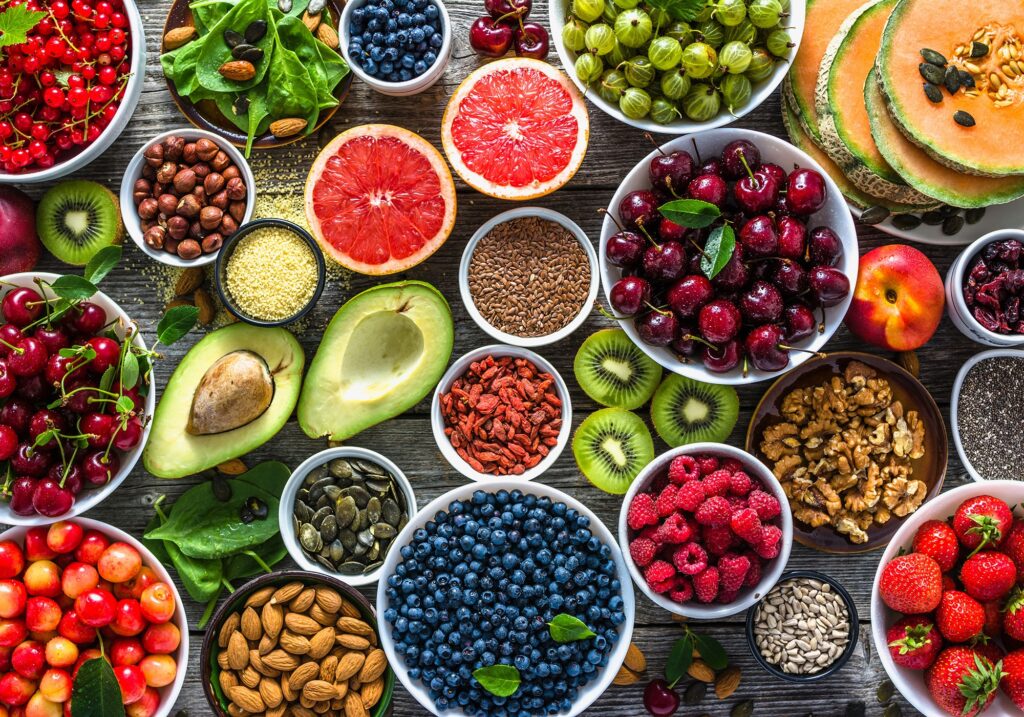
In the world of sports and athletics, nutrition plays a pivotal role in determining performance outcomes. Whether you’re a professional athlete, a weekend warrior, or an enthusiastic beginner, understanding how to fuel your body effectively can make a significant difference in your performance, recovery, and overall health. This ultimate sports nutrition guide is designed to provide you with the insights and tools you need to optimize your diet and unleash your full potential.
The Role of Nutrition in Sports Performance
Nutrition serves as the foundation of athletic performance. It provides the energy required for physical activity, aids in recovery, supports immune function, and helps maintain overall health. The right nutrition plan can enhance endurance, strength, speed, and mental acuity, while inadequate nutrition can lead to fatigue, injury, and impaired performance.
Macronutrients: The Building Blocks of Nutrition
Carbohydrates: The Primary Energy Source
Carbohydrates are the body’s preferred energy source, particularly for high-intensity and endurance sports. They are stored as glycogen in the muscles and liver, ready to be mobilized during exercise. For athletes, maintaining adequate glycogen stores is crucial, as depleted levels can lead to fatigue and decreased performance.
Recommendation: Consuming a diet rich in complex carbohydrates—such as whole grains, fruits, and vegetables—ensures a steady supply of energy. Aim for 45-65% of your total daily calories to come from carbohydrates, adjusting intake based on your training intensity and volume.
Proteins: The Repair and Recovery Agent
Proteins are essential for muscle repair, growth, and recovery. They provide the amino acids needed to rebuild muscle tissues that are broken down during exercise. Adequate protein intake is crucial for athletes to support training adaptations and prevent muscle loss.
Recommendation: Include high-quality protein sources like lean meats, poultry, fish, eggs, dairy, legumes, and plant-based proteins in your diet. Aim for 1.2-2.0 grams of protein per kilogram of body weight per day, depending on the intensity and type of training.
Fats: The Endurance Fuel
Fats are a concentrated energy source and play a vital role in endurance activities. They provide energy for extended periods of low to moderate-intensity exercise and are crucial for absorbing fat-soluble vitamins and supporting hormonal balance.
Recommendation: Focus on incorporating healthy fats, such as avocados, nuts, seeds, olive oil, and fatty fish, into your diet. Fats should comprise 20-35% of your total daily caloric intake.
Micronutrients: Supporting Cast for Optimal Performance
Micronutrients, including vitamins and minerals, are essential for various physiological functions that impact performance. They play roles in energy production, muscle contraction, bone health, and recovery.
Iron
Iron is crucial for oxygen transport and energy metabolism. Athletes, particularly females and endurance athletes, are at risk of iron deficiency, which can lead to fatigue and impaired performance.
Recommendation: Ensure adequate iron intake through foods like lean red meat, poultry, fish, lentils, and spinach. Consider iron supplementation if recommended by a healthcare professional.
Calcium and Vitamin D
Calcium and vitamin D are vital for bone health and muscle function. Athletes need strong bones to withstand the physical demands of training and competition.
Recommendation: Consume dairy products, fortified plant-based alternatives, leafy greens, and fish with bones for calcium. Get vitamin D through sun exposure and fortified foods, or consider supplementation if necessary.
Hydration: The Often Overlooked Element
Proper hydration is critical for optimal athletic performance. Even mild dehydration can significantly impair physical and cognitive function, affecting endurance, strength, and coordination.
Hydration Strategies
Maintain hydration throughout the day by drinking water regularly and consuming hydrating foods like fruits and vegetables. During exercise, aim to replace fluids lost through sweat by drinking water or sports drinks. Monitor your hydration status by checking urine color—light yellow indicates adequate hydration.
Electrolytes
Electrolytes, such as sodium, potassium, and magnesium, are lost through sweat and need to be replenished to maintain fluid balance and prevent cramping.
Recommendation: Consume electrolyte-rich foods and beverages post-exercise, especially after prolonged or intense workouts. Sports drinks, coconut water, and electrolyte tablets can help restore balance.
Timing and Meal Planning for Performance
When you eat can be just as important as what you eat. Proper meal timing ensures optimal energy levels, maximizes recovery, and enhances performance.
Pre-Workout Nutrition
Fueling your body before exercise provides the necessary energy to perform at your best. A balanced meal containing carbohydrates, protein, and some fat consumed 2-3 hours before exercise is ideal.
Recommendation: Opt for a meal like grilled chicken with brown rice and vegetables or a smoothie with protein, fruit, and a handful of nuts. For a quick snack 30-60 minutes before exercise, try a banana with nut butter or a granola bar.
Intra-Workout Nutrition
For extended workouts or competitions, consuming carbohydrates during exercise can help maintain energy levels and delay fatigue.
Recommendation: Use easily digestible sources like sports gels, chews, or a carbohydrate-electrolyte drink during prolonged activities lasting over an hour.
Post-Workout Recovery
Recovery nutrition is crucial for replenishing glycogen stores, repairing muscle tissue, and reducing muscle soreness.
Recommendation: Consume a meal or snack containing carbohydrates and protein within 30-60 minutes after exercise. A protein shake with fruit or a turkey sandwich with whole-grain bread can be effective recovery options.
Supplements: Enhancing Your Nutrition Plan
While a balanced diet should be the foundation of your nutrition plan, certain supplements may provide additional benefits for athletes. However, they should be used judiciously and in consultation with a healthcare professional.
Protein Supplements
Protein supplements, such as whey or plant-based protein powders, can be convenient for meeting protein needs, especially post-workout or when dietary intake is insufficient.
Creatine
Creatine is a well-researched supplement that can enhance strength, power, and muscle mass. It’s particularly beneficial for high-intensity, short-duration activities like weightlifting and sprinting.
Caffeine
Caffeine is a natural stimulant that can improve endurance, focus, and performance. It’s commonly found in coffee, tea, and pre-workout supplements.
Personalizing Your Nutrition Plan
Every athlete is unique, and nutrition plans should be tailored to individual needs, goals, and preferences. Factors such as age, gender, sport, training intensity, and dietary restrictions all play a role in determining the optimal nutrition strategy.
Consulting with a registered dietitian or sports nutritionist can provide personalized guidance and help you develop a plan that aligns with your specific needs and performance goals.
Conclusion
Optimizing your nutrition is a powerful tool for enhancing athletic performance and achieving your goals. By understanding the role of macronutrients, micronutrients, hydration, and timing, and by considering appropriate supplementation, you can fuel your body effectively for peak performance. Remember, nutrition is not a one-size-fits-all approach, and personalizing your plan is key to unlocking your full athletic potential.