In the quest for a healthier lifestyle, many people are on a journey to unlock fat loss. However, the approach to shedding excess weight is often misunderstood, leading to frustration and demotivation. The key to effective fat loss lies not in drastic, unsustainable measures but in transforming your diet in a way that supports your body’s natural processes. Let’s explore how you can optimize your eating habits to achieve sustainable fat loss.
Understanding the Science Behind Fat Loss
Before diving into dietary changes, it’s crucial to understand the basics of fat loss. At its core, fat loss occurs when your body burns more calories than it consumes, creating a calorie deficit. However, not all calories are created equal, and the source of these calories can significantly impact how your body processes them.
Carbohydrates, proteins, and fats are the three macronutrients that provide us with energy. Each plays a unique role in the body, and balancing them is key to effective fat loss. Carbohydrates are the body’s primary energy source, proteins are essential for building and repairing tissues, and fats are crucial for hormone production and nutrient absorption.
Prioritize Whole Foods Over Processed Foods
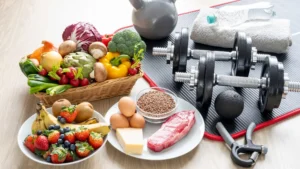
The cornerstone of transforming your diet lies in prioritizing whole foods over processed foods. Whole foods, such as fruits, vegetables, lean proteins, whole grains, and healthy fats, are nutrient-dense and provide your body with the necessary vitamins and minerals to function optimally.
Processed foods, on the other hand, are often high in added sugars, unhealthy fats, and sodium, which can lead to weight gain and various health issues. By focusing on whole foods, you can naturally reduce your calorie intake while still feeling satisfied.
Incorporate More Protein into Your Diet
Protein is a powerful ally in your fat loss journey. It not only helps you feel fuller for longer but also boosts your metabolism and helps preserve muscle mass while losing fat. Aim to include a source of lean protein in every meal, such as chicken, fish, tofu, beans, or Greek yogurt.
In addition to aiding fat loss, a protein-rich diet can improve your overall health by supporting your immune system and promoting healthy skin, hair, and nails.
Embrace Healthy Fats
Contrary to popular belief, not all fats are detrimental to your diet. Healthy fats, such as those found in avocados, nuts, seeds, and olive oil, are essential for optimal health and can support your weight loss efforts. These fats help regulate hormones, reduce inflammation, and provide a concentrated source of energy.
Including healthy fats in your diet can also enhance the taste and satisfaction of meals, making it easier to stick to your dietary changes.
Manage Carbohydrate Intake Wisely
Carbohydrates often get a bad rap in the world of dieting, but they are an essential part of a balanced diet. The key is to choose complex carbohydrates, such as whole grains, legumes, and vegetables, over refined carbohydrates like white bread and sugary snacks.
Complex carbohydrates provide sustained energy and are typically high in fiber, which aids digestion and helps control hunger. By managing your carbohydrate intake wisely, you can maintain stable blood sugar levels and prevent energy crashes.
Practice Mindful Eating
Mindful eating is a powerful tool for transforming your diet and unlocking fat loss. This approach encourages you to pay attention to your body’s hunger and fullness cues, helping you make conscious food choices and avoid overeating. Here are some tips for practicing mindful eating:
- Eat slowly and savor each bite.
- Pay attention to hunger and fullness signals.
- Avoid distractions, such as TV or smartphones, while eating.
- Focus on the sensory experience of eating, including texture, taste, and aroma.
Stay Hydrated
Water plays a vital role in weight management and overall health. Staying hydrated can help control hunger, improve metabolism, and increase energy levels. Aim to drink at least 8-10 glasses of water a day, and consider starting each meal with a glass of water to help regulate appetite.
Plan and Prepare Meals
Planning and preparing your meals in advance can significantly impact your diet transformation. By allocating time each week to plan meals and prepare ingredients, you can make healthier choices and avoid the temptation of fast food or unhealthy snacks.
Meal prepping can also save time during busy weeks and reduce the stress associated with daily meal decisions. Focus on creating balanced meals that include a variety of nutrients to support your fat loss goals.
Seek Professional Guidance
If you’re struggling to transform your diet or achieve your fat loss goals, consider seeking guidance from a registered dietitian or nutritionist. These professionals can provide personalized advice and support tailored to your unique needs and lifestyle.
Working with a professional can also help you navigate any dietary restrictions or health conditions that may impact your diet and ensure you’re on the right track toward sustainable fat loss.
Be Patient and Consistent
Finally, remember that unlocking fat loss and transforming your diet is a journey, not an overnight fix. Be patient with yourself and focus on making gradual, sustainable changes rather than resorting to extreme measures. Consistency is key, and over time, these small changes will add up to significant results.
By prioritizing whole foods, incorporating protein and healthy fats, managing carbohydrate intake, and practicing mindful eating, you can transform your diet effectively and unlock the fat loss you desire. Stay committed to your goals, and remember that a healthier, more balanced lifestyle is within reach.