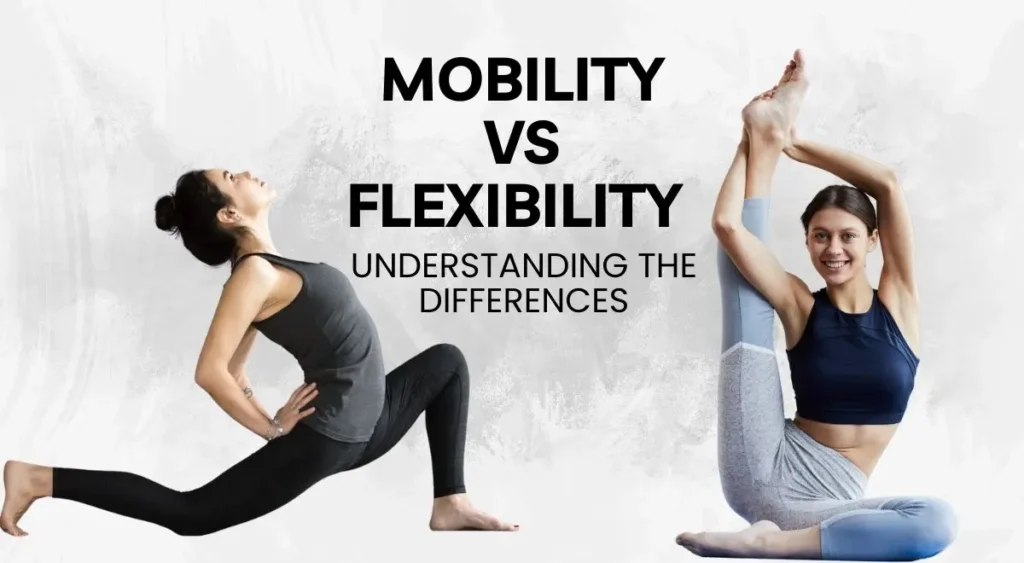
In the world of fitness, mobility and flexibility are often used interchangeably, yet they are distinct concepts that play crucial roles in physical health and performance. Understanding the difference between these two terms is essential for anyone looking to enhance their physical capabilities, prevent injuries, and improve overall well-being. This article aims to demystify mobility and flexibility, exploring their definitions, importance, and how they complement each other in a balanced fitness regimen.
Defining Flexibility
Flexibility refers to the ability of a muscle or group of muscles to lengthen passively through a range of motion. It is a measure of how far a muscle can stretch and is often associated with activities such as yoga or static stretching routines. Flexibility is crucial for reducing muscle stiffness and increasing the range of motion in joints, which can improve movement efficiency and decrease the risk of injuries.
Muscles, tendons, and ligaments play a significant role in determining flexibility. Factors such as age, gender, genetics, and activity level can also influence an individual’s flexibility. Regular stretching exercises, such as hamstring stretches or shoulder stretches, can enhance flexibility over time by lengthening the muscle fibers and promoting greater elasticity in the connective tissues.
Understanding Mobility
Mobility, on the other hand, encompasses a broader concept than flexibility. It refers to the ability of a joint to move actively through its full range of motion. While flexibility focuses on the passive lengthening of muscles, mobility involves the interplay between muscles, joints, and the nervous system to execute controlled and efficient movements.
Good mobility is essential for functional movements, such as squatting, lunging, and reaching overhead, as it allows the body to move fluidly and without restrictions. Mobility is often enhanced through dynamic stretching, strength training, and exercises that target joint stability and muscle activation. Unlike flexibility, which can be improved through passive techniques, mobility requires active engagement of muscles and joints.
The Interplay Between Mobility and Flexibility
While flexibility and mobility are distinct, they are interconnected and can influence each other. Flexibility can aid in improving mobility by allowing joints to move through a greater range of motion without restriction. Conversely, mobility exercises can enhance flexibility by promoting dynamic and active movements that stretch muscles and tissues.
For example, a person with flexible hamstrings may still struggle with mobility if they lack the strength and control needed to perform a deep squat. Conversely, an individual with good mobility might still benefit from improving flexibility to achieve more fluid and extended movements in activities like dance or martial arts.
Benefits of Improving Flexibility and Mobility
Enhancing both flexibility and mobility can lead to numerous benefits, including:
- Injury Prevention: Improved flexibility reduces muscle stiffness, while enhanced mobility ensures joints move efficiently, minimizing the risk of strains, sprains, and other injuries.
- Better Posture: Good mobility allows for proper alignment and posture, reducing the likelihood of musculoskeletal imbalances and related discomforts.
- Enhanced Performance: Athletes and fitness enthusiasts can perform movements more effectively and with greater range, leading to improved performance in sports and workouts.
- Increased Functional Movement: Daily activities such as bending, lifting, and twisting become easier and more efficient with improved mobility and flexibility.
- Reduced Muscle Soreness: Stretching and mobility exercises can alleviate muscle tension and soreness, promoting faster recovery after intense workouts.
Strategies to Improve Flexibility
To enhance flexibility, consider incorporating the following strategies into your fitness routine:
- Static Stretching: Hold stretches for 15-60 seconds to target specific muscle groups and improve their length. Focus on major muscle areas such as the hamstrings, quadriceps, shoulders, and hips.
- Yoga and Pilates: These disciplines emphasize controlled stretching and balance, enhancing flexibility while promoting relaxation and mindfulness.
- Consistency: Regular stretching, ideally after workouts when muscles are warm, can lead to gradual improvements in flexibility over time.
- Warm-Up: A proper warm-up routine increases blood flow to muscles, preparing them for stretching and reducing the risk of injury.
Strategies to Enhance Mobility
To boost mobility, consider these effective strategies:
- Dynamic Stretching: Incorporate dynamic movements such as leg swings, arm circles, and torso twists to warm up joints and muscles before exercise.
- Strength Training: Focus on exercises that target joint stability and muscle activation, such as lunges, squats, and kettlebell swings.
- Foam Rolling: Self-myofascial release techniques like foam rolling can alleviate muscle tightness and improve joint mobility.
- Functional Movements: Engage in activities that mimic real-life movements, such as crawling, climbing, and balancing, to enhance joint coordination and control.
Integrating Flexibility and Mobility into Your Routine
A well-rounded fitness program should incorporate both flexibility and mobility exercises to achieve optimal results. Consider the following tips for integration:
- Warm-Up and Cool Down: Begin workouts with dynamic stretches to activate muscles and joints, and conclude with static stretches to promote relaxation and recovery.
- Balance Strength and Flexibility: Combine strength training with flexibility exercises to ensure muscles remain strong and supple.
- Listen to Your Body: Pay attention to how your body responds to different exercises and adjust your routine accordingly.
- Consult a Professional: If unsure about where to start, consider seeking guidance from a fitness professional or physical therapist to develop a personalized plan.
Conclusion
Understanding the difference between mobility and flexibility is crucial for anyone looking to enhance their physical health and performance. While flexibility focuses on the passive lengthening of muscles, mobility encompasses the active movement of joints through their full range of motion. Both are essential components of a balanced fitness routine, offering numerous benefits such as injury prevention, improved performance, and increased functional movement. By incorporating targeted exercises and strategies, individuals can unlock their full potential and enjoy a more active and fulfilling lifestyle.